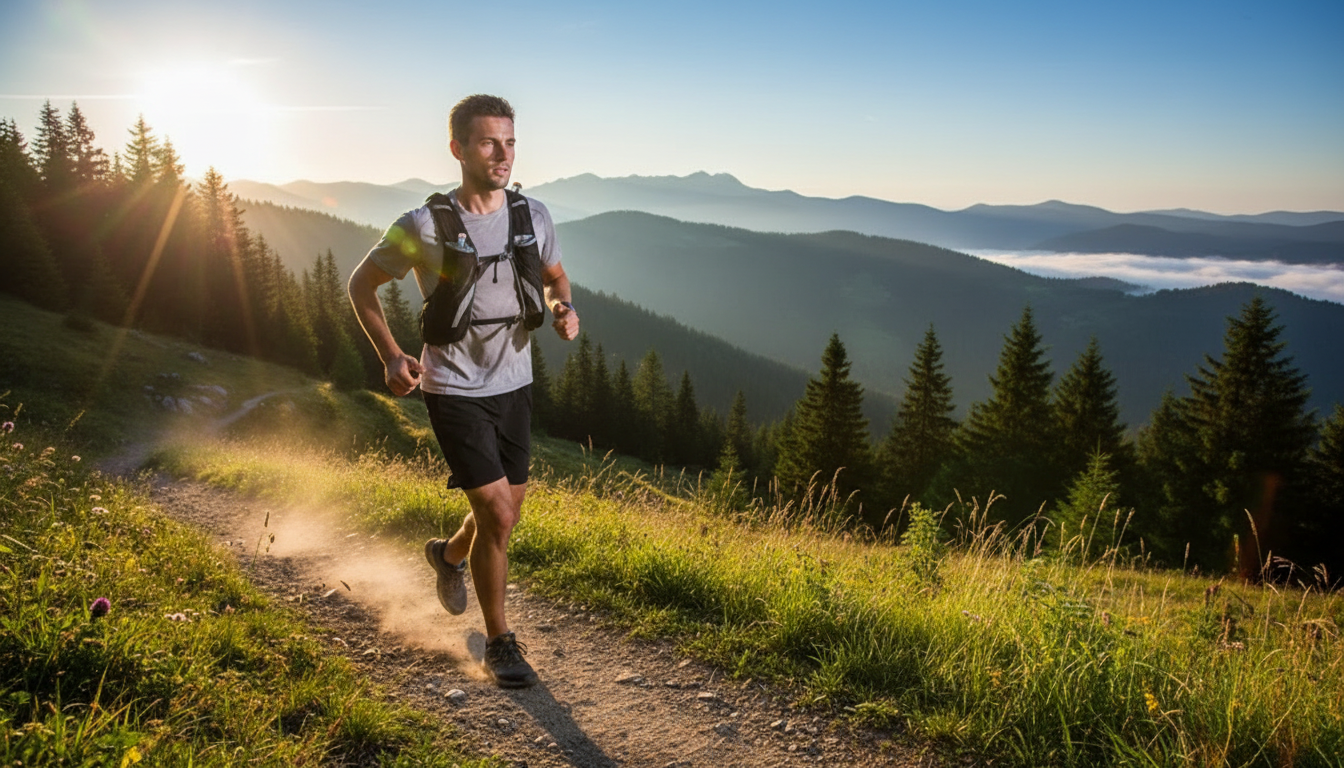
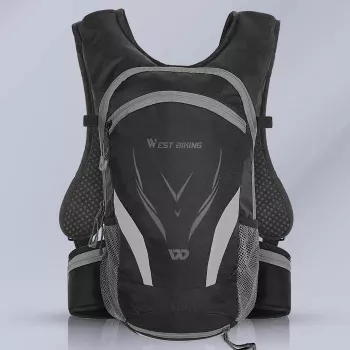
An ultralight waterproof backpack can make rides and day hikes smoother by keeping essentials protected, stable, and easy to reach. This 16L pack is built for fast movement—enough room for layers, tools, and food while staying compact for cycling posture and trail agility. If your route includes surprise showers, dusty gravel, or stop-and-go commuting, a small waterproof daypack helps you stay organized without feeling like you’re hauling extra baggage.
Cycling packs deal with a unique mix of body position, vibration, and frequent quick stops. A general-purpose school-style backpack often feels fine standing up, then starts bouncing or tugging once you’re out of the saddle.
For safety basics and visibility reminders when riding in traffic, review guidance from NHTSA’s bicycle safety resources.
The Ultralight 16L Waterproof Cycling & Outdoor Sports Backpack is sized for day rides, commutes, and short hikes—room for a light jacket, repair kit, water, and small extras. The ultralight build aims to reduce fatigue over longer efforts and minimize bulk in the wind, while its waterproof-oriented construction is designed to help keep contents protected in wet conditions. It also fits nicely into mixed-use days: cycling, errands, travel, and outdoor workouts.
| Feature | What it helps with | Best for |
|---|---|---|
| 16L capacity | Carries day essentials without overpacking | Road cycling, gravel rides, light hikes |
| Ultralight construction | Less shoulder strain over time | Long rides, fastpacking-style day trips |
| Waterproof protection | Helps keep gear dry in rain/splash | Unpredictable weather commutes, shoulder-season rides |
| Compact profile | Reduces bounce and snag risk | Singletrack, city traffic, crowded transit |
Small adjustments can make a 16L pack feel nearly “invisible” while riding. Aim for a stable, high-and-close fit that moves with your torso rather than swinging behind you.
If you want a practical step-by-step on strap adjustments and load positioning, REI’s backpack fitting guide is a solid reference.
A 16L pack rewards smart packing. Done right, it stays balanced, reduces shoulder fatigue, and keeps your “need it now” items easy to reach.
| Activity | Core items | Nice-to-have extras |
|---|---|---|
| Rainy commute | Light shell, wallet/keys, small towel, charger cable | Spare socks, compact umbrella |
| Road/gravel day ride | Tube/patch kit, multi-tool, snack, thin layer | Mini pump/CO2, sunscreen |
| Short hike | Water, layer, simple first-aid basics, snack | Headlamp, small sit pad |
Waterproof packs last longer when they’re treated like performance gear, not a trunk. A few quick habits can help preserve coatings, seams, and closures.
On hot days, keep hydration and heat stress in mind—especially when you’re wearing a pack against your back. The CDC’s heat illness prevention tips are a helpful refresher for summer rides and hikes.
For most long rides, 16L is enough for essentials like a tube/patch kit, multi-tool, snacks, a thin layer, and a compact first-aid item or two. If you need bulky cold-weather clothing, a large camera kit, or lots of food, a bigger bag or bike-mounted storage can be a better fit.
It should ride high and close to your body with snug, even shoulder-strap tension and minimal sway over bumps. Keep heavier items close to the back panel, and make sure the pack doesn’t touch the saddle when you’re leaned forward or create strap rub points.
Waterproof construction greatly reduces water intrusion, but real-world factors—like closure gaps, repeated opening, and long downpours—can still let moisture in. For electronics, a secondary dry pouch and careful closure checks add reliable backup protection.




Leave a comment