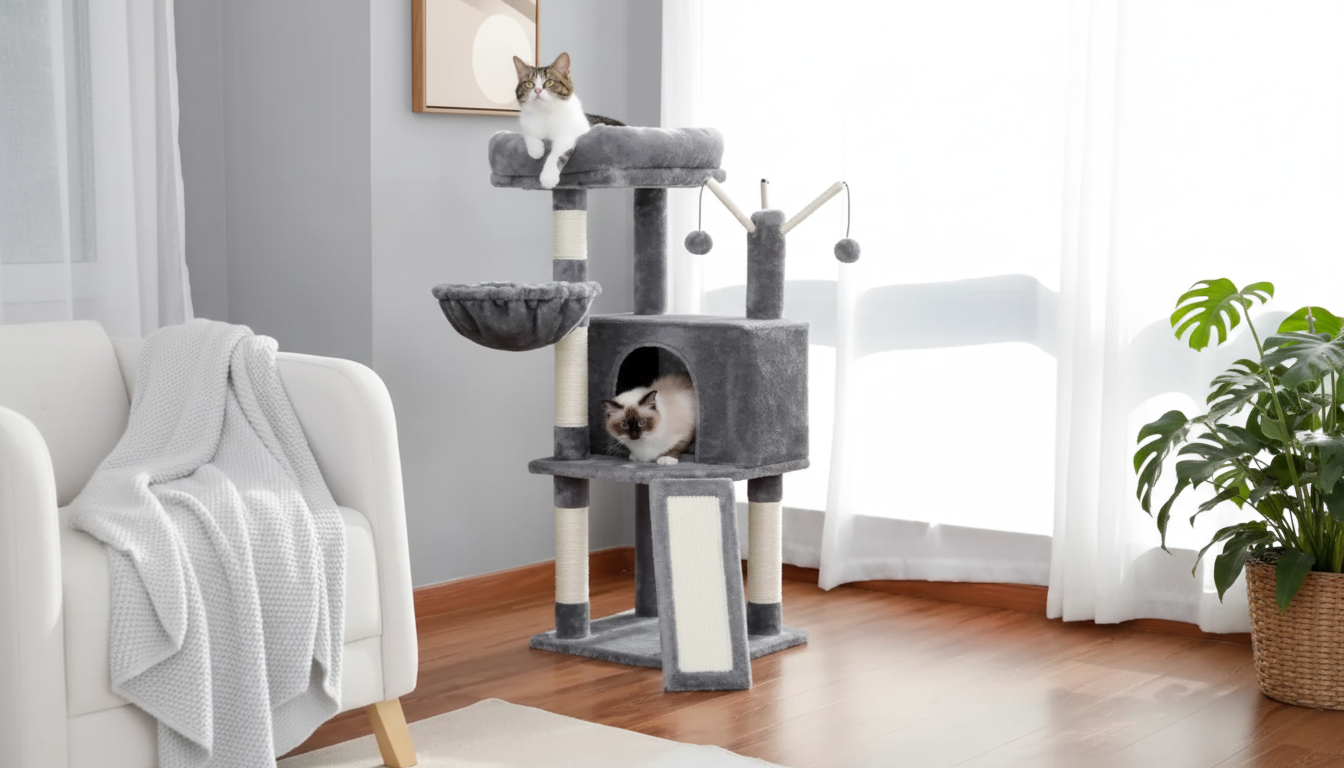
The most effective cat scratching post is the one your cat consistently chooses over your furniture. In practice, that usually means a tall, rigid post (at least 28–32 inches) wrapped in grippy sisal, with a heavy base that won’t wobble when your cat stretches and digs in. Cats scratch to stretch, mark territory, and shed claw sheaths—so a post that supports a full-body reach and feels satisfying under the claws wins every time.
Stability first: If the post tips or slides, many cats stop using it. Look for a wide, weighted base or a cat tree/tower design that anchors the post securely.
Material that “catches”: Sisal rope or sisal fabric is the gold standard for many cats because it offers resistance and texture. Some cats prefer corrugated cardboard scratchers, but they’re best as a supplement rather than the only scratch option.
Height and shape: Vertical posts suit most cats because they can stretch upward. If your cat tends to scratch carpets or sofas horizontally, add a flat scratch pad nearby to match that preference.
Placement that makes sense: Put the post where your cat already scratches (often near a couch arm) and near resting spots—many cats scratch right after waking up.
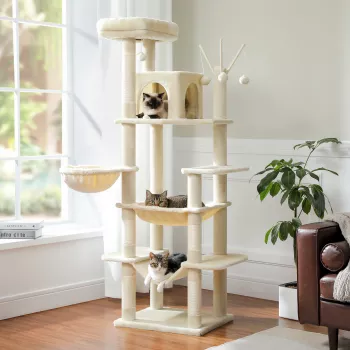
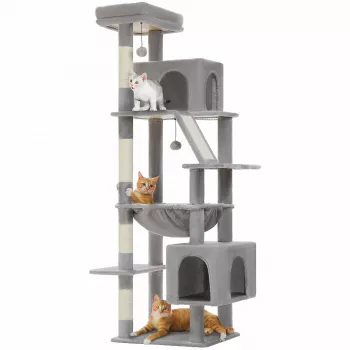
For multi-cat homes or energetic climbers, a cat tree with multiple scratching surfaces can outperform a single standalone post because it adds perches, hideouts, and play features that keep your cat returning to the same “hub.” For a deeper breakdown of features like towers, hammocks, perches, and built-in scratch zones, visit this cat tree and scratching post guide.
Place it next to your cat’s favorite scratching target (like the couch), near sleeping areas, or along common walking paths. If you have multiple cats or a larger home, add more than one scratching station to reduce competition and improve consistency.



Leave a comment