Ultralight 4-Season Waterproof Hiking Tent for 2: Double-Layer Shelter for Trekking
An ultralight, double-layer tent can make multi-day treks more comfortable by balancing low pack weight with protection from wind-driven rain, condensation, and shoulder-season cold. The best 2-person, 4-season-ready hiking tents prioritize reliable weatherproofing, controllable ventilation, and a pitch that stays stable when conditions turn. Below is a practical breakdown of what matters most, plus a quick checklist to help match the shelter to real trail conditions. For more guidance, see How to decide if a single-walled tent is right for you.
What a 4-season double-layer trekking tent is built to handle
A true trail-ready “4-season” design isn’t just about a warmer feel—it’s about maintaining a secure structure and a drier interior in bad weather. For further reading, see Big Agnes / Ultralight Tent “Waterproofness” – Vftt.org.
- Cold and wind: Stronger pole geometry and a taut pitch help resist gusts and spindrift that can work under loose edges.
- Rain and wet ground: A waterproof fly plus a tub-style (bathtub) floor reduces seepage and splashback during heavy storms or snowmelt.
- Condensation control: Double-layer separation helps keep moisture off sleeping bags, while adjustable vents improve air exchange.
- Variable terrain: Freestanding or semi-freestanding setups can be more forgiving on rocky sites where staking is limited (confirm the pitch style on the product page).
Weatherproofing essentials that matter on the trail
Waterproof ratings and fabric names don’t tell the whole story. The small design details—coverage, seams, and stability—often decide whether you stay dry during a long night of wind-driven rain.
- Fly coverage: Full-coverage rainfly designs are the safer choice for exposed routes and unpredictable forecasts.
- Seams and zippers: Sealed seams and storm flaps reduce leak points when rain lasts for hours.
- Floor protection: A durable, waterproof bathtub floor helps when the ground turns saturated or snowmelt runs under the tent.
- Guy-out points: More tie-outs help stabilize the shelter and keep the fly from pressing against the inner, reducing wetting through contact.
- Site strategy: Camp slightly above drainage and avoid depressions where water collects; skip trenches and choose better ground instead.
Quick weather check: what to look for before a trip
| Condition |
Shelter features to prioritize |
Setup tips |
| Heavy rain |
Full-coverage fly, sealed seams, protected zippers |
Tension guylines; keep doors leeward; dig no trenches—choose better ground |
| High wind |
Strong pole structure, multiple guy-out points |
Stake low; add extra guylines; use natural windbreaks |
| Cold nights |
Reduced drafts, inner/fly separation, smaller mesh exposure |
Vent slightly to limit frost; keep damp gear in vestibule |
| Wet ground/snowmelt |
Bathtub floor, high fly hem clearance control |
Use a groundsheet if needed; avoid runnels and channels |
Ultralight comfort: space, livability, and packability for two
Ultralight shelters can feel surprisingly roomy—or unexpectedly tight—depending on pad width and how you store gear. Before committing, think through how you’ll actually live in the tent for several nights.
- Capacity reality: “2-person” often means two regular pads fit, but two wide pads may be snug; check floor dimensions if comfort matters.
- Vestibule usefulness: Covered gear storage keeps wet items out of the sleeping area and reduces clutter.
- Entry and exits: Dual doors reduce nighttime disruptions, while single-door designs can save weight.
- Packed size: Shorter pole segments fit more easily inside a pack; longer bundles may ride outside and snag on brush.
- Trail efficiency: A fast pitch matters most when your hands are cold and rain is blowing sideways—don’t underestimate setup simplicity.
Ventilation and condensation: staying dry inside the tent
Setup notes for rough weather and challenging campsites
- Practice before the trip: Fast, correct pitching is a safety feature when the weather turns.
- Stake priority: Secure windward corners first, then tension the fly evenly for a taut, quiet pitch.
- Guyline discipline: Use all recommended guylines in exposed terrain, and re-tension after fabric relaxes.
- Snow and sand: Bring appropriate anchors (snow stakes/sand stakes) for the route so the tent can hold in low-friction ground.
- Leave-no-trace: Choose durable surfaces and avoid damaging fragile alpine areas; follow the Leave No Trace Seven Principles.
Care and longevity: keeping waterproof performance reliable
Product highlight: Ultralight 4-Season Waterproof Hiking Tent for 2 (Double Layer)
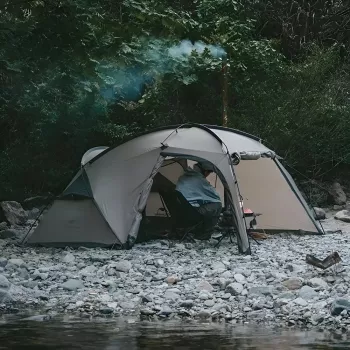
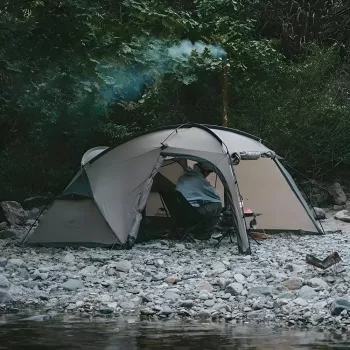
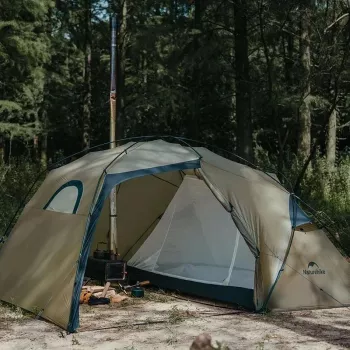
- Main shelter option: Ultralight 4-Season Waterproof Hiking Tent for 2 | Double Layer Trekking Tent is designed to balance low carry weight with foul-weather protection.
- Terrain pairing: Bring stakes/anchors that match your route so you can fully use the tent’s guy-out stability.
- Fit check: Confirm floor size, peak height, and packed size before choosing pads and deciding how gear will be stored.
Small extras can also make wet-weather camps smoother—especially when protecting electronics and keeping gear organized. For example, a simple Silicone Charging Port Dust Cover for Apple iPhone can help reduce pocket lint and moisture exposure around your charging port, and a Laptop Sleeve for MacBook Air/Pro 13–15.6 Inch can double as a lightweight padded sleeve for tablets or documents inside a pack liner.
FAQ
Does a double-layer tent eliminate condensation?
No. A double-layer tent reduces contact with condensation by keeping sleepers separated from the damp fly, but moisture can still form; ventilation, campsite selection, and drying habits are what keep it manageable.
Can an ultralight 4-season tent be used in summer?
Yes, though it may feel warmer and less airy than a mesh-heavy 3-season tent. Use vents aggressively, and if conditions are calm, adjust fly configuration to increase airflow.
What’s the best way to pitch a tent in strong wind?
Stake the windward corners first, orient the lowest profile into the wind, and use every recommended guyline. After a short period, re-tension lines as fabric relaxes, and take advantage of natural windbreaks when available.
Recommended for you



Leave a comment