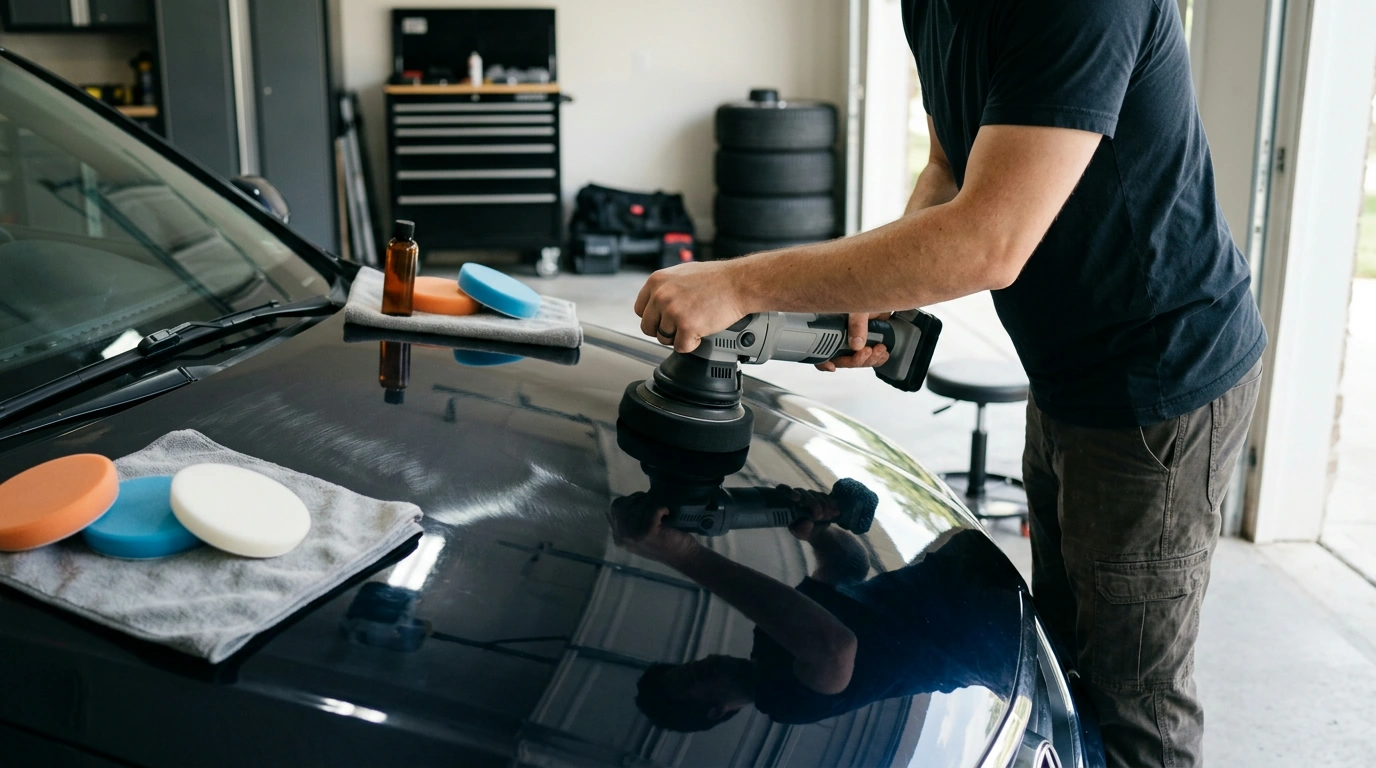
A cordless 6-inch buffer polisher with variable speed makes it easier to correct paint, restore gloss, and apply wax without fighting a power cord. With the right pad choice and speed setting, it can handle light swirl removal, polishing, and finishing on cars, motorcycles, and even gelcoat surfaces—especially when you work in controlled sections and keep pads clean.
This style of cordless polisher is designed for practical, everyday detailing where mobility and panel-to-panel consistency matter as much as raw power.
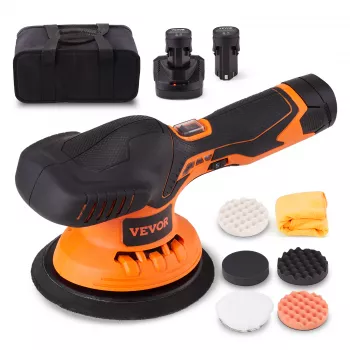
If you’re shopping for a ready-to-run option, see the 6-Inch Cordless Buffer Polisher – Variable Speed Car Polisher with 4 Pads.
Variable speed is what keeps a polisher versatile. Instead of forcing results with pressure, use speed as your primary adjustment and let the pad and product do the cutting.
| Task | Suggested pad choice | Speed approach | Pressure & passes |
|---|---|---|---|
| Spreading product | Finishing/soft pad | Low | Light pressure, 1–2 quick passes |
| Swirl removal (light) | Polishing pad | Medium | Moderate pressure, slow arm speed, 3–5 passes |
| Refining gloss | Finishing/soft pad | Medium to higher | Light pressure, 2–4 passes |
| Wax/sealant application | Finishing/soft pad | Low | Very light pressure, 1–2 passes |
The biggest “upgrade” to polishing results usually isn’t a different tool—it’s cleaner pads and better pad discipline.
For technique refreshers and safe fundamentals, Meguiar’s polishing basics are a helpful reference: Meguiar’s – How to Use a Dual Action Polisher.
Cordless polishing is all about momentum: efficient passes, predictable sections, and fewer interruptions. Battery life tends to improve when the pad is clean, the product amount is controlled, and pressure stays reasonable.
Small shop tip: if you’re using your phone for lights, timing, or photos, keeping ports covered in dusty environments helps. Consider the Silicone Charging Port Dust Cover for Apple iPhone for quick protection while you work.
For personal protection reminders—especially eye protection around splatter—NIOSH guidance is a solid baseline: NIOSH – Eye Safety and Personal Protective Equipment Guidance.
For a straightforward kit that supports multi-step work with included pads, the 6-Inch Cordless Buffer Polisher – Variable Speed Car Polisher with 4 Pads is a practical place to start.
Yes—light to moderate swirls can often be improved when you pair the right polishing pad with an appropriate compound or polish. Use a test spot, work small sections, clean the pad often, and avoid excessive pressure that can add heat and haze.
Start with the least aggressive option that can achieve the improvement you want, typically a polishing pad before stepping up to a more aggressive approach. After correction, switch to a softer finishing pad to refine gloss and lay down wax or sealant.
Clean or swap pads whenever they become caked with residue, start to hop, or stop correcting consistently. Depending on the product and paint condition, that can be every panel or every couple of sections.




Leave a comment