Automatic Pet Water Fountain Tips for Cats & Dogs
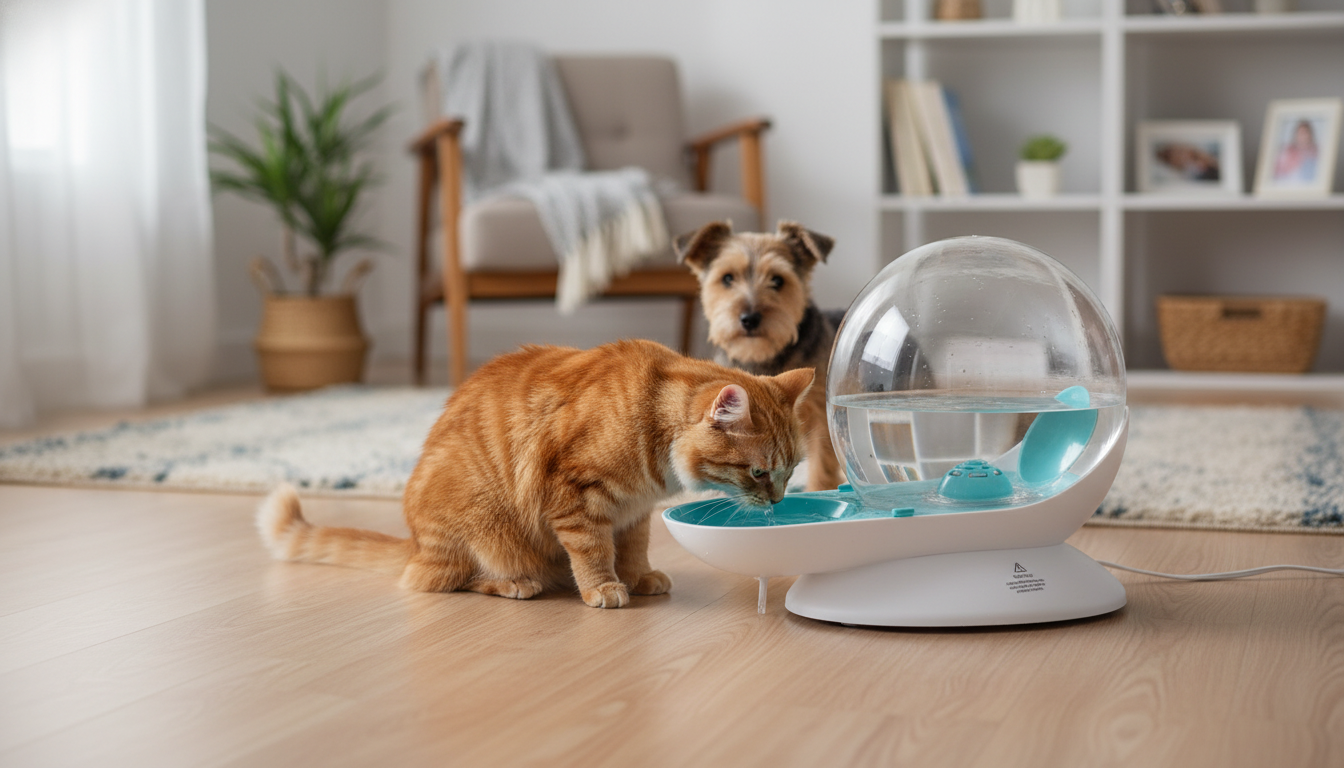
Automatic Pet Water Fountain: A Practical Guide to Cleaner, More Encouraging Hydration
Cats and dogs often drink more consistently when water stays fresh, moving, and easy to reach. An automatic pet water fountain can help reduce stagnation, support daily hydration habits, and simplify refills—especially in multi-pet homes or for pets that prefer running water. For more guidance, see Best Pet Water Fountains for Dogs and Cats – Consumer Reports.
Why Moving Water Can Help Pets Drink More
Many pets gravitate toward flowing water. A gentle stream or bubbling surface can feel “new” all day long, which can make the drinking station more attractive than a still bowl that’s been sitting out for hours. For further reading, see JY-830 Universal Pet Water Fountain Pump – Auto Shut-Off, Ultra ….
Circulating water also tends to stay more pleasant. Movement can reduce the “flat” taste and mild odors that sometimes develop in standing water, particularly in warm rooms or homes with dust and pet hair.
Fountains can be especially helpful for cats that chronically under-drink and for active dogs that return to the water station frequently. Better hydration supports everyday wellness, including urinary and kidney health in cats and healthy temperature regulation for both cats and dogs. For broader pet hydration and care guidance, see AVMA cat care resources and the Cornell Feline Health Center.
Core Parts That Make a Fountain Work
Most automatic pet fountains share a few key components. Understanding them makes it easier to compare models and maintain them well.
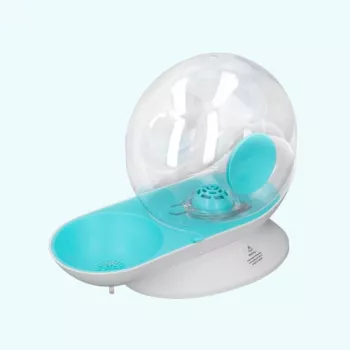
- Reservoir: Holds the water supply. Larger reservoirs typically mean fewer refills, which can be a big quality-of-life upgrade for busy households.
- Pump: Circulates water through the system. Quieter pumps are often better for sensitive pets and for nighttime placement in a bedroom or hallway.
- Filter system: Many designs use a foam/mesh prefilter to catch hair and debris plus activated carbon to help with taste and odor.
- Spout, stream, or bubbling top: The “water presentation” matters. Some pets prefer a calm pool, while others love a visible stream.
- Power and safety: Common options include USB and wall power. A stable base and protected cable path can help prevent tipping and discourage chewing.
How to Choose the Right Fountain for Your Pet and Home
When fountains look similar online, small design details can make the daily experience smoother—or messier. Use these factors to narrow the field.
Capacity
Capacity affects convenience. Many single- and multi-pet households do well with a 2–3L reservoir, while very large dogs or multi-dog homes may benefit from more. Choose a size you can realistically top off without it becoming a chore.
Noise level
Noise often comes from vibration and “gurgling” as the water level drops. Look for low-vibration pumps, rubber feet, and designs that keep the intake covered to reduce slurping sounds.
Material
Plastic is lightweight and common, but stainless steel and ceramic can be easier to keep odor-free and may resist scratches that can trap biofilm. If your pet is prone to chin acne or has sensitivities, smoother, less-scratch-prone surfaces can be a practical plus.
Ease of cleaning
The easiest fountain to clean is the one that gets cleaned consistently. Models with tool-free disassembly, fewer tight corners, and smooth surfaces reduce the chance of hidden buildup.
Filter availability and cost
Filters only help when they’re replaced on schedule. Before choosing a model, check that replacement filters are easy to find and affordable enough to change routinely.
Spill resistance and placement
Energetic dogs and curious cats can turn hydration into a splash zone. Wider bases, non-slip feet, and enclosed reservoirs can help. Place the fountain away from litter boxes and (if splashing is a temptation) away from feeding areas. Pick a location where cords can be secured along a wall or behind furniture.
Quick selection checklist
| Need | What to look for | Helpful for |
|---|---|---|
| Less frequent refills | 2–3L+ reservoir | Busy schedules, multi-pet homes |
| Quiet operation | Low-noise pump, anti-gurgle design | Skittish pets, bedrooms |
| Cleaner water | Multi-stage filtration, easy-to-rinse prefilter | Shedding pets, dusty environments |
| Easy maintenance | Tool-free disassembly, smooth surfaces | Anyone short on time, frequent travelers |
| Reduced mess | Stable base, non-slip feet, splash guards | Large dogs, playful cats |
Routine Maintenance That Keeps Water Fresh
A fountain is only as good as its cleaning routine. With simple, predictable upkeep, most units stay fresh and run quietly.
Helping a Pet Transition to a Fountain
A Capacity Example: What a 2.8L Fountain Can Cover
FAQ
How often should an automatic pet water fountain be cleaned?
Wash the main bowl and accessible parts about weekly, and clean the pump weekly or every other week depending on hair and mineral buildup. Deep clean as needed when you notice slime, scale, or reduced flow—multi-pet homes and warm climates often require more frequent care.
Are pet water fountain filters necessary?
Filters help trap hair and debris and can improve taste and odor, but they need on-time replacement to be effective. Even with filters, regular washing is still important to prevent biofilm from building up on surfaces.
What if a pet is afraid of the fountain?
Introduce it gradually by placing it near the usual bowl, starting with low flow, and keeping a backup bowl available. Once your pet investigates comfortably and drinks reliably, you can transition to using the fountain as the main water source.









Leave a comment