160g Ultralight Baitcasting Reel Guide: Cast Light, Stay Fresh
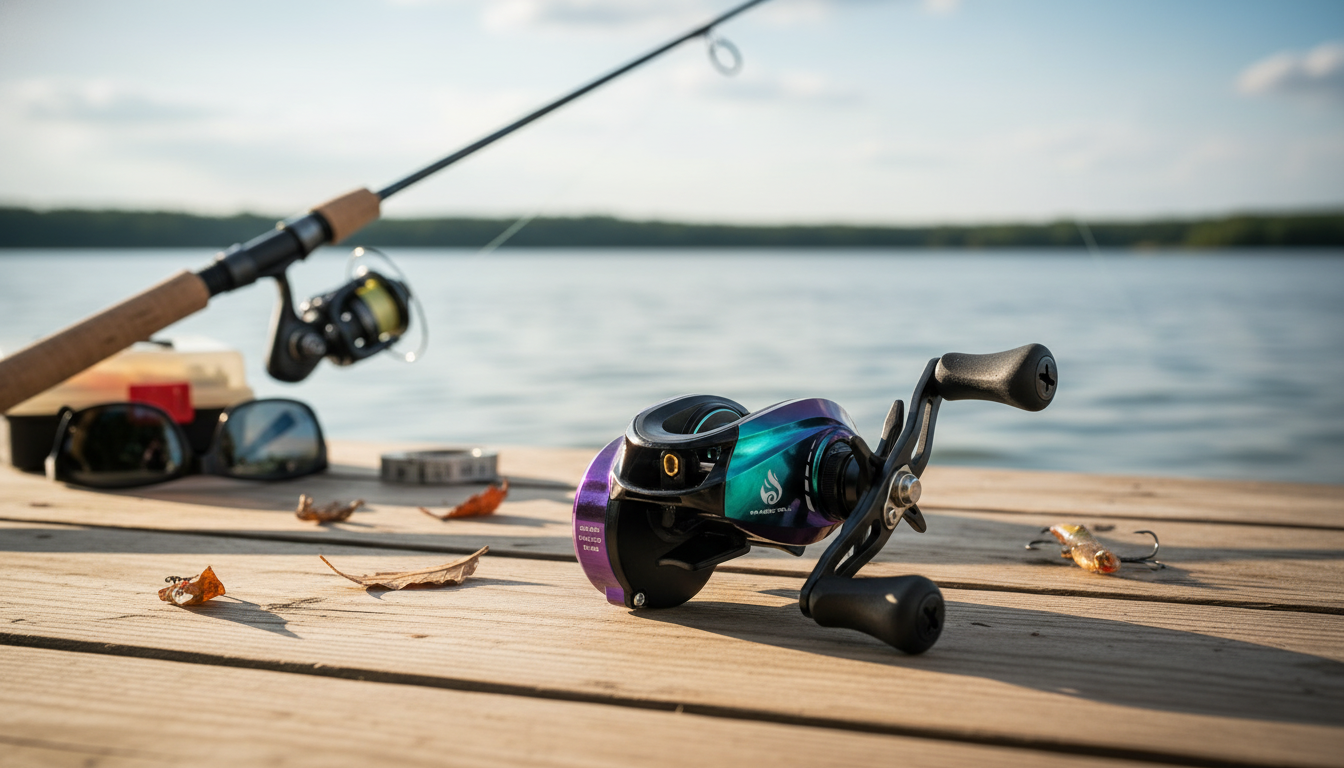
Ultralight Baitcasting Reel 160g: Finesse Control Without the Fatigue
An ultralight baitcasting reel built around a 160g body is designed for anglers who want the thumb control and accuracy of a baitcaster without the wrist-heavy feel that can creep in during long sessions. That weight reduction can be a real advantage for finesse fishing, but it’s only part of the equation. Spool design, braking consistency, and line management ultimately decide how easy a reel is to cast, how well it handles lighter lures, and how forgiving it feels when conditions change. For more guidance, see 10 Best Fishing Baitcaster Reels for 2026 Every Angler Needs.
What “160g ultralight” changes on the water
Shaving grams off a reel can seem minor on paper, but it becomes noticeable when the day involves hundreds of short, precise casts. Less overall outfit weight helps maintain casting rhythm during high-volume days like skipping, pitching, and target casting—especially when the rod tip is constantly moving and the wrist is doing the fine positioning. For further reading, see Fishing reel – Wikipedia.
A lighter reel can also improve balance on ultralight and light-power casting rods. Many compact finesse rods can feel tip-heavy with a traditional baitcaster; dropping reel weight often makes the whole setup feel more neutral in hand, which reduces the urge to “death-grip” the handle and foregrip to compensate.
Comfort stands out most with techniques that require constant rod movement: twitching small hardbaits, hopping finesse jigs, and maintaining light bottom contact. The reel is only one component, though. Weight alone doesn’t guarantee performance—spool start-up, braking behavior, and clean line lay still determine whether lightweight lures leave the rod smoothly or create sudden spool surges.
Where an ultralight baitcaster shines
Ultralight baitcasters fit best where precision matters and repeated casting is the norm. Creek and pond fishing often demands accurate casts into narrow lanes, under overhangs, and along short seams. In these spots, the controlled “thumbed” entry of a baitcaster can be a practical edge.
They also pair well with finesse presentations that benefit from a quiet, controlled landing: small jigs, compact soft plastics, and lightweight spinners. For bank fishing—especially when walking long distances—lower overall fatigue becomes a real factor, and a lighter reel helps keep the setup enjoyable late in the day.
Kayak and small-boat anglers often appreciate ultralight reels for quick, repeated casts in tight quarters. The reel stays comfortable in-hand while working close-range targets, and the compact feel makes it easier to manage line and handle fish when space is limited.
Key features to look for before choosing an ultralight baitcasting reel
Spool behavior
Lighter, shallower spools tend to start faster and feel more comfortable with lighter lures. A spool that’s too heavy can force higher brake settings just to stay manageable, which limits distance and makes light presentations feel “choked.”
Braking system
Magnetic or centrifugal braking can both work well, but the best setups provide repeatable adjustment with clear increments. Consistency matters more than the label: a brake that changes predictably lets you fine-tune quickly when switching lure weights or when the wind shifts.
Drag range and smoothness
Light line and small hooks demand consistent pressure. A drag that starts smoothly helps avoid sudden surges that bend light-wire hooks or tear small treble hooks free on boatside headshakes.
Gear ratio selection
Handle, knobs, and frame rigidity
Line capacity
Enough capacity for your line diameter and a sensible backing/leader approach is the goal. Oversizing for capacity can add spool mass and startup inertia—exactly what a finesse reel is trying to avoid. For a helpful overview of line types and how they behave, see Shimano’s fishing line basics.
Quick spec checklist for an ultralight reel setup
| Goal | Suggested rod pairing | Line suggestion | Notes to keep it trouble-free |
|---|---|---|---|
| Small hardbaits and light spinners | Light-power casting rod, fast action | 8–12 lb braid with a fluorocarbon leader | Use moderate braking and avoid overfilling the spool to reduce overruns. |
| Finesse jigs and small soft plastics | Light to medium-light power, fast action | 6–10 lb fluorocarbon or braid + leader | Smooth drag and steady thumb pressure help protect light-wire hooks. |
| Skipping under docks/cover | Medium-light to medium power, fast action | 10–15 lb braid + leader | Focus on braking consistency and spool tension; practice with a slightly heavier lure first. |
| Creek/pond multi-species | Light-power casting rod, moderate-fast action | 8–10 lb mono or 10 lb braid | Mono can be more forgiving for beginners; braid improves sensitivity and casting efficiency. |
How to choose the right ultralight baitcasting reel (step-by-step)
Spooling, tuning, and avoiding backlash with lightweight lures
Care and durability tips for ultralight reels
FAQ
Is a 160g baitcasting reel suitable for beginners?
It can be comfortable for long sessions, but beginner-friendliness depends more on braking range and how easy it is to tune. Start with higher braking, practice with slightly heavier lures, and step down in lure weight as control improves.
What line works best on an ultralight baitcaster for small lures?
Many anglers do well with 8–12 lb braid because it casts small lures efficiently and stays sensitive, paired with a fluorocarbon leader for stealth and abrasion resistance. Fluorocarbon can be a good choice around cover, while mono is often the easiest to manage when learning.
How can backlashes be reduced when casting lightweight baits?
Set spool tension to remove side play, begin with higher braking, and avoid overfilling the spool. Use a smooth casting motion, control the spool with your thumb at splashdown, and re-tune when lure weight or wind conditions change.










Leave a comment