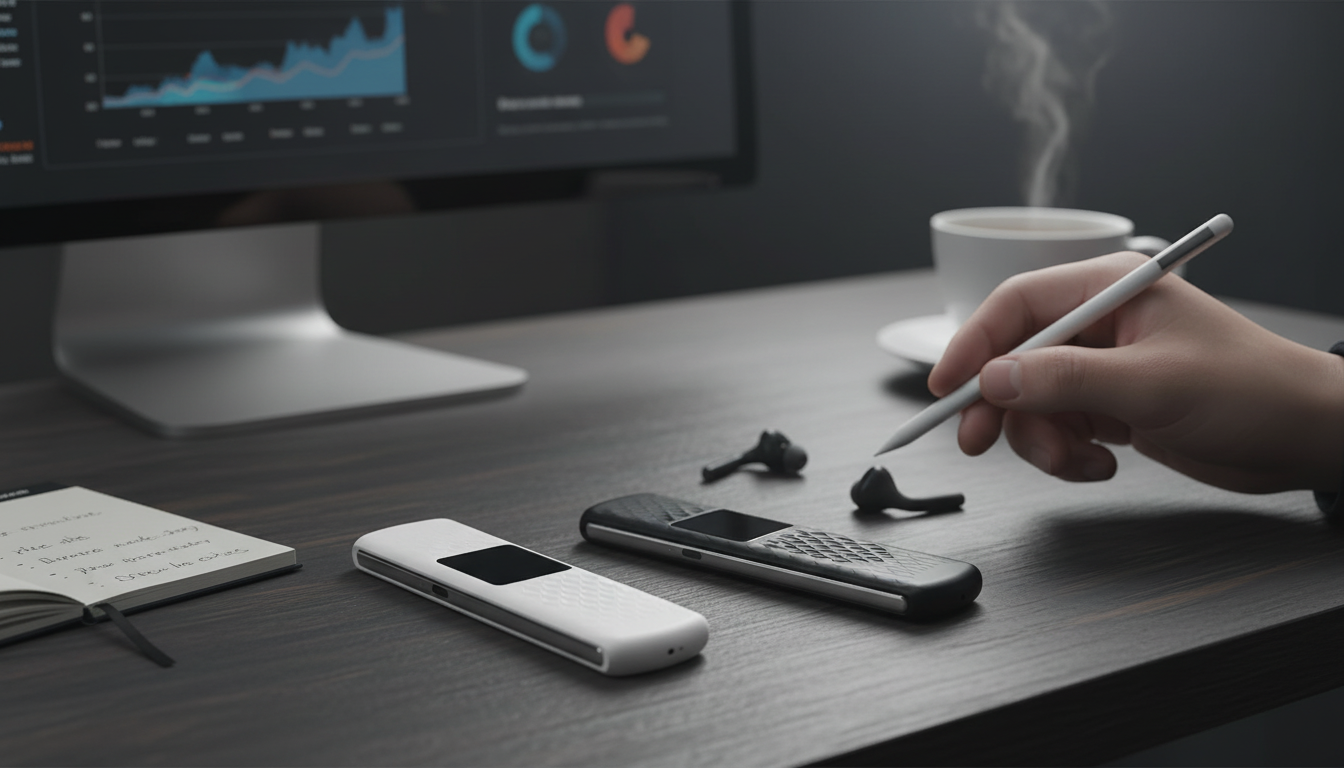
Yes—under pillow Bluetooth speakers can work well for many sleepers, as long as expectations match what the design is meant to do. These speakers are built for close-range listening, so they don’t have to “fill the room” to be effective. When placed under (or inside) a pillow, they can deliver podcasts, audiobooks, soothing music, or white noise at a low volume that’s easier to keep private.
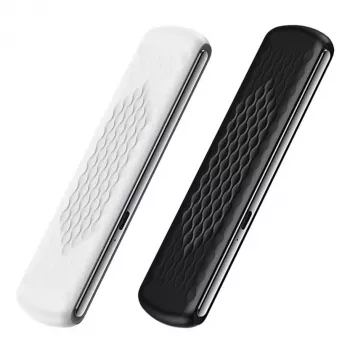
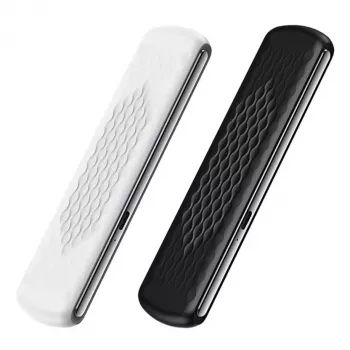
Most models use thin, flat speaker pods or a slim speaker pad that sits beneath your pillow. The pillow material acts like a soft filter, reducing harsh high frequencies and making audio sound gentler. That’s great for sleep sounds and spoken-word content, but it can make music feel less crisp or less bass-heavy than a regular bedside speaker or headphones.
The biggest advantage is intelligibility without needing loud playback. If you mainly want calm background sound or a quiet narration, under pillow speakers often deliver exactly that.
Because the sound source is very close to your ears and partially muffled by the pillow, these speakers can be more considerate for partners than a phone speaker on the nightstand. Sound leakage isn’t eliminated, but it’s typically lower than open-air options.
Comfort is the make-or-break factor. A thin pillow and a bulky speaker can create pressure points, especially for side sleepers. Many people position the speaker slightly to the side of where their head rests, aiming for “near ear” rather than directly underneath.
Bluetooth range and stability can vary, and some setups have occasional dropouts if your phone is far away or obstructed. Battery life matters too—some units run all night, while others need charging more often. Finally, sound quality is intentionally subtle; if you want deep bass or wide stereo separation, this format can feel underpowered.
For a deeper look at comfort, volume spill, and practical setup tips, see the full guide here: under pillow Bluetooth sleep speaker guide.
They’re generally safe when used as directed: keep volume moderate, avoid overheating by not covering charging electronics, and choose soft, low-profile designs that don’t create pressure on the ear or jaw.



Leave a comment