-
Shop
- Adidas
- AI Career Advantage Collection
- AI Skills for Creators & Freelancers
- AI Client Management
- AI Ethics
- AI Mindset
- AI Tools & Prompts
- AI Writing & Content Creation
- Audio, Voice & Music
- Design & Visual Creation
- Email, Messaging & Communication
- Freelancing & Business
- Marketing, Ads & Conversion
- Productivity, Workflow & Automation
- SEO & Search Optimization
- Social Media Content & Growth
- Strategy, Planning & Analytics
- Video Creation & Editing
- AI Skills Mastery 2026 Collection
- Apple Accessories
- Best-Sellers
- Business & Digital Skills
- Car Accessories
- Confidence
- Dating & Social Skills
- Digital Resources
- AI & Technology
- Beauty
- Budgeting & Saving
- Car Buying & Ownership
- Entrepreneurship & Business Growth
- Financial Education
- Financial Independence
- Financial Mindset & Psychology
- Goal Setting
- Hobbies
- Home Styling & Organization
- Kitchen & Recipes
- Leadership
- Mindfulness
- Online Business
- Parenting & Child Development
- Personal Style & Fashion
- Pet Lifestyle & Wellness
- Positive Thinking
- Sleep Improvement
- Smart Life with AI
- Stress Management & Relaxation
- Wellness
- Yoga & Mind-Body Practices
- Education & Learning
- Family & Home
- Family & Parenting
- Fashion
- Fashion & Beauty
- Fashion Accessories
- Furniture
- Gadgets
- Health & Beauty
- Health & Wellness
- Home & Garden
- Home Supplies
- Jewelry
- Kids & Babies
- Nike
- Personal Growth
- Personal Growth & Wellness
- Pet Care
- Pet Supplies
- Pets
- Sport & Outdoors
- Super Deals
- Travel
- Travel & Adventure
- Wealth
- Wealth Building
2.5-Gallon Wall-Mount Wet/Dry Vac: 2.5 HP Power
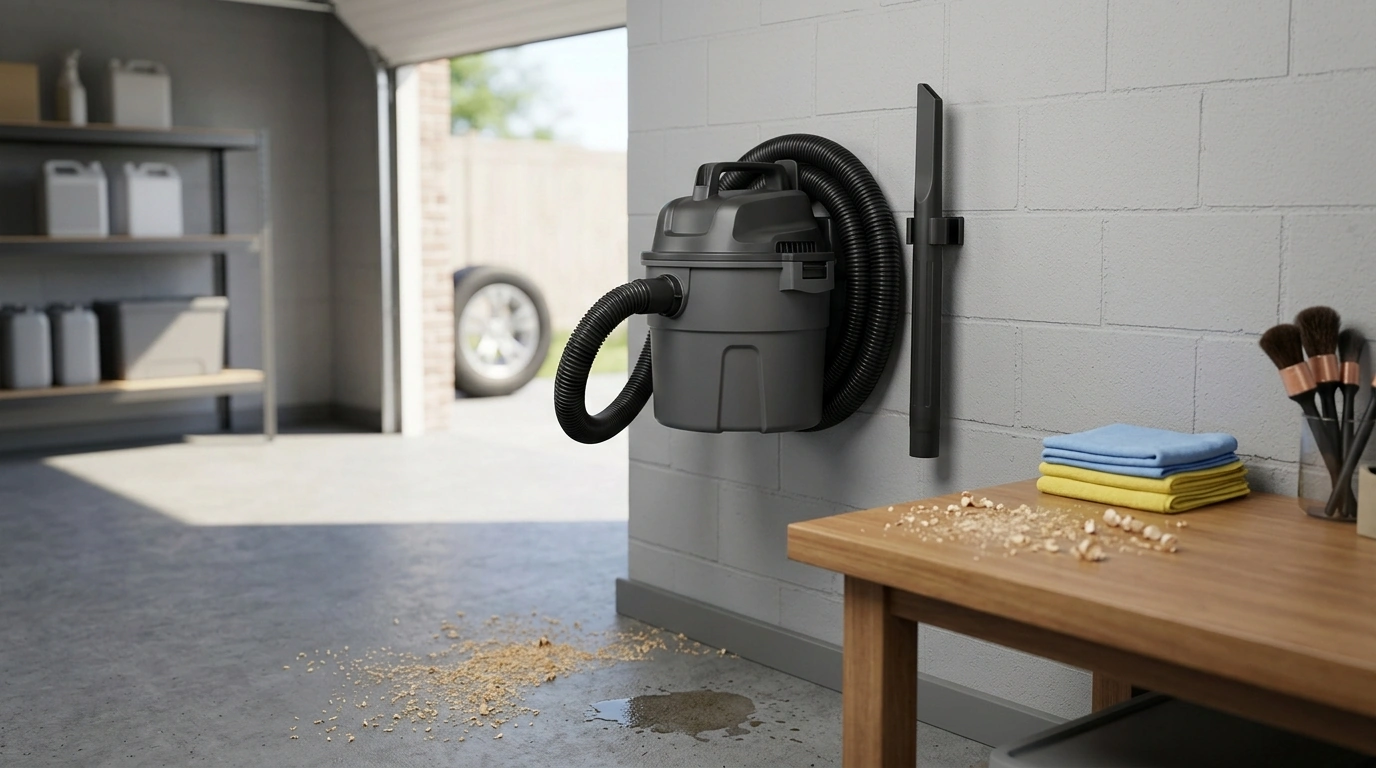
2.5 Gallon Wet Dry Vacuum: Wall-Mounted Convenience with Portable Power
A compact wet/dry vacuum can tackle everyday messes without dominating a garage, laundry room, or utility closet. A 2.5-gallon wet/dry vac is built for quick response: lift it off its wall mount, handle the mess, and put it back where it belongs. With a small tank and a strong motor rating, it’s a practical choice for routine cleanups, tight spaces, and light workshop jobs where speed and storage matter as much as suction.
What This Vacuum Is Built For
This size shines when the goal is to stay ahead of daily debris and small accidents. Instead of dragging out a large shop vac (or relying on a household upright that can’t do wet pickup), a 2.5-gallon wet/dry unit is meant to be close at hand and easy to use.
- Small wet spills and damp debris in kitchens, basements, and entryways
- Garage and workshop cleanup: sawdust, drywall dust, wood chips, and small hardware (when used appropriately)
- Vehicle detailing: seats, mats, trunk corners, and console gaps
- Apartment-friendly storage: wall-mount keeps the unit off the floor and out of the way
- Fast-response cleanup: grab-and-go size for daily messes and spot cleaning
Key Specs at a Glance
Think of a 2.5-gallon wet/dry vacuum as the “frequent flyer” of cleanup tools: it’s ready for repeat use, easy to store, and quick to deploy. It’s not designed for big flood recovery, but it’s excellent for the everyday stuff that adds up.
| Feature | What it means for daily use |
|---|---|
| 2.5-gallon tank | Less emptying for small jobs; compact storage footprint |
| Wall-mounted storage | Keeps floors clear; quick access for frequent cleanups |
| Portable body | Easy to carry to cars, stairs, closets, and tight corners |
| Wet/dry pickup | Handles dry debris and liquids with the right setup |
| 2.5 HP motor rating | Designed for stronger pickup in a small-format vacuum |
Wall-Mounted Setup: Where It Helps Most
Wall-mount storage is more than a “nice extra.” It changes how often you actually use the vacuum—because it’s visible, reachable, and not competing for floor space. The best location is wherever messes happen most often.
- Garages: mount near a workbench for immediate cleanup after sanding or drilling
- Laundry rooms or mudrooms: convenient for tracked-in dirt and small water mishaps
- Apartments and small homes: frees closet space and reduces floor clutter
- Detailing corner: place near car-care supplies for quick vacuum sessions
- Tip: mount at a height that allows easy lift-off while keeping hoses and accessories reachable
Everyday Performance: What to Expect from a 2.5-Gallon Wet/Dry Vac
A compact tank means you trade long runtimes between emptying for fast handling and easy storage. For spot-cleaning, that’s usually the right trade. Pairing the right nozzle with the surface (crevice tool for tight seams, a wider nozzle for flat mats) makes a noticeable difference in speed and results.
- Strong spot-cleaning ability when paired with the right nozzle for the surface
- Frequent emptying may be needed for heavy debris (wood shavings, pet hair clumps, etc.) due to compact capacity
- Best results come from matching filter/setup to the task (dry dust vs. liquid pickup)
- Useful for quick passes and targeted cleaning rather than long, continuous whole-room vacuuming
- Good fit for maintenance cleaning: prevents small messes from becoming big cleanups
Wet Pickup Basics and Safety
Wet/dry vacuums are designed to handle liquids, but safe wet pickup depends on using the correct configuration and following common-sense electrical precautions. For general workplace electrical guidance and hazard awareness, OSHA is a helpful starting point: https://www.osha.gov/.
- Confirm the correct wet-use configuration before picking up liquids (filters and float mechanisms vary by design)
- Avoid vacuuming flammable or combustible liquids; treat fuel, solvents, and similar fluids as off-limits
- Empty and rinse the tank after wet pickup to reduce odor and residue buildup
- Allow components to dry thoroughly before storing to help prevent mildew
- Use a GFCI-protected outlet in damp areas whenever possible
If a spill has soaked porous materials, thorough drying matters. The EPA’s mold resource offers practical guidance on moisture control and cleanup: https://www.epa.gov/mold.
Maintenance That Keeps Suction Strong
Compact vacuums stay impressive when airflow stays clear. A few habits—especially around filter care and hose checks—help prevent the gradual “loss of power” that is often just a clog or a saturated filter.
Who This Size Makes Sense For
Product Options (In Stock)
- 2.5 Gallon Wet Dry Vacuum, Wall Mounted, 2.5 HP Motor, Portable & Powerful — compact wet/dry vacuum designed for easy storage and fast access, with a small tank suited for routine cleanups and detailing.
- Silicone Charging Port Dust Cover for Apple iPhone — a small add-on that helps block pocket lint and dust that often builds up around tools and in garages.
- Laptop Sleeve for MacBook Air/Pro 13–15.6 Inch — helpful for keeping a device protected when working between a home office and a workshop area.
FAQ
Can a 2.5-gallon wet/dry vacuum handle both liquid spills and dry debris?
Yes, as long as it’s set up correctly for the job. Use the proper filter/configuration for dry dust versus liquid pickup, then empty, rinse, and fully dry the tank and components after wet use.
Is a wall-mounted wet/dry vacuum still portable?
Yes. The wall mount is primarily for storage and organization; the vacuum lifts off so it can be carried to stairs, closets, or out to the car for quick detailing.
How often should the tank and filter be cleaned?
Empty the tank whenever airflow drops or debris starts to pile up, and check the filter after dusty cleanups. After wet pickup, rinse the tank and allow everything to dry completely before storing.
Recommended for you

Was this article helpful?
Yes
No







Leave a comment