-
Shop
- Adidas
- AI Career Advantage Collection
- AI Skills for Creators & Freelancers
- AI Client Management
- AI Ethics
- AI Mindset
- AI Tools & Prompts
- AI Writing & Content Creation
- Audio, Voice & Music
- Design & Visual Creation
- Email, Messaging & Communication
- Freelancing & Business
- Marketing, Ads & Conversion
- Productivity, Workflow & Automation
- SEO & Search Optimization
- Social Media Content & Growth
- Strategy, Planning & Analytics
- Video Creation & Editing
- AI Skills Mastery 2026 Collection
- Apple Accessories
- Best-Sellers
- Business & Digital Skills
- Car Accessories
- Confidence
- Dating & Social Skills
- Digital Resources
- AI & Technology
- Beauty
- Budgeting & Saving
- Car Buying & Ownership
- Entrepreneurship & Business Growth
- Financial Education
- Financial Independence
- Financial Mindset & Psychology
- Goal Setting
- Hobbies
- Home Styling & Organization
- Kitchen & Recipes
- Leadership
- Mindfulness
- Online Business
- Parenting & Child Development
- Personal Style & Fashion
- Pet Lifestyle & Wellness
- Positive Thinking
- Sleep Improvement
- Smart Life with AI
- Stress Management & Relaxation
- Wellness
- Yoga & Mind-Body Practices
- Education & Learning
- Family & Home
- Family & Parenting
- Fashion
- Fashion & Beauty
- Fashion Accessories
- Furniture
- Gadgets
- Health & Beauty
- Health & Wellness
- Home & Garden
- Home Supplies
- Jewelry
- Kids & Babies
- Nike
- Personal Growth
- Personal Growth & Wellness
- Pet Care
- Pet Supplies
- Pets
- Sport & Outdoors
- Super Deals
- Travel
- Travel & Adventure
- Wealth
- Wealth Building
Stainless Steel Litter Box That Stays Odor-Free Longer
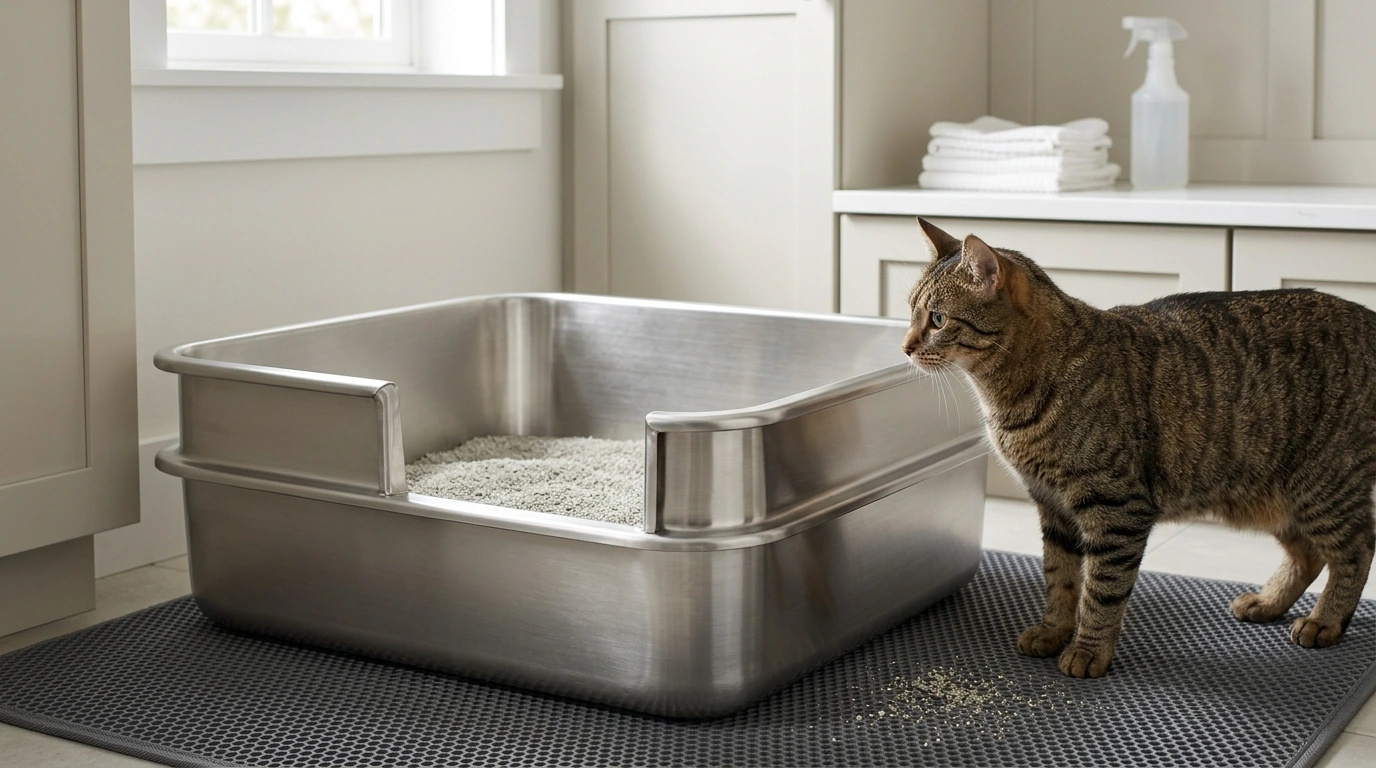
Odor-Free Stainless Steel Cat Litter Box: A Cleaner, Longer-Lasting Option
Stainless steel litter boxes are built to resist odors, stains, and the lingering bacteria that can cling to porous materials. When a box stays easier to rinse and wipe clean, it’s simpler to keep a steady routine—often the difference between a “mostly fine” box and one that smells fresh day after day. Below is what makes an odor-free stainless steel litter box different, what features matter most, and how to set it up so it stays low-odor with less scrubbing.
Why stainless steel helps reduce litter box odor
Cat litter odors tend to come from urine residue and microscopic buildup that’s hard to fully remove. Stainless steel can help because it reduces the places that residue can hide.
- Non-porous surface: Helps prevent urine from soaking in and lingering, so smells don’t “set” as easily.
- Scratch resistance: Resists deep gouges that can trap residue and odor over time.
- Easier to rinse and wipe: Smooth metal is typically easier to fully clean compared with many plastics that stain or hold film.
- Handles frequent washing: Holds up well to regular scooping, washing, and disinfecting without degrading.
- Supports consistency: When mess doesn’t stick as much, quick cleanups feel faster—making daily scooping easier to keep up with.
For general cat care and hygiene basics, the American Veterinary Medical Association (AVMA) is a helpful starting point.
What to look for in an odor-free stainless steel litter box
Not all stainless steel boxes are equally easy to live with. A few design details can make a big difference in odor control and cleanup speed.
- High sides: Reduce scatter and help contain spray for cats that urinate high.
- Rounded interior corners: Fewer tight seams means a faster wipe-down and fewer hidden grime spots.
- Stable base: A sturdy pan that won’t flex or “oil-can” during digging helps prevent litter and waste from getting under edges.
- Smooth, rolled rim: Easier (and safer) to carry; also reduces snagging if you use liners.
- Right size for your cat: Cats need room to turn around comfortably; cramped boxes are more likely to get messy.
- Litter compatibility: Make sure the dimensions and depth work with your preferred litter type (clumping clay, crystal, pine pellets, and more).
The Cornell Feline Health Center’s litter box management guidance is a solid reference for setup and behavior-friendly placement.
Stainless steel vs. plastic: day-to-day differences
Plastic boxes are common, but they can hold on to odor over time—especially once scratched. Stainless steel often feels “new” for longer with less odor retention, though it has a few practical tradeoffs.
| Feature | Stainless steel | Plastic |
|---|---|---|
| Odor absorption | Low (non-porous surface) | Higher (can absorb and hold smells over time) |
| Scratch resistance | Generally high | Often scratches more easily |
| Deep cleaning | Wipes and rinses clean more completely | Stains and residue can cling in scratches |
| Noise during digging | Can be louder | Often quieter |
| Longevity | Typically longer-lasting | May need replacing sooner if odor persists |
- Noise: Metal can sound louder during digging; a mat under the box can help reduce vibration.
- Temperature feel: Steel may feel cooler; a consistent litter depth usually makes it comfortable.
- Weight: Steel is often heavier—great for stability, less ideal for frequent moving.
Setting it up for fewer smells from day one
Even the best box won’t stay fresh without the right setup. Small adjustments can reduce odor before it starts.
Cleaning routine that keeps stainless steel truly odor-free
If your cat suddenly avoids the box or eliminations happen outside it, the ASPCA’s overview of common litter box problems can help you troubleshoot next steps.
Choosing litter and accessories that pair well with stainless steel
Common odor problems and quick fixes
Product option
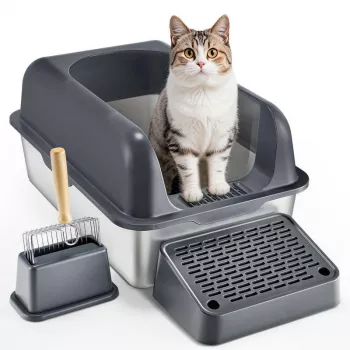
Odor-Free Stainless Steel Cat Litter Box is designed to support easier cleanup and reduce odor retention compared with typical porous materials. It’s best suited for homes that want a more durable box that stays fresher between deep cleans, especially when paired with a litter mat and a consistent scooping schedule.
More in-stock picks for a cleaner routine
- Silicone Charging Port Dust Cover for Apple iPhone (useful for keeping lint and dust out of devices if your litter area is near a home office).
- Laptop Sleeve for MacBook Air/Pro 13–15.6 Inch (a simple way to protect electronics when you’re carrying items around the home during cleaning).
FAQ
Do stainless steel litter boxes really control odor better?
They often help because stainless steel is non-porous, so urine and odor compounds are less likely to soak in and linger. They also tend to resist deep scratches that can trap residue. Odor control still depends on daily scooping and regular washouts.
How often should a stainless steel litter box be deep-cleaned?
A common baseline is weekly, but some homes can go every 2–4 weeks depending on the number of cats, litter type, and scooping frequency. Wash with mild, unscented soap, rinse thoroughly, and dry completely before refilling; use an enzymatic cleaner if odors persist.
Will a stainless steel litter box feel too cold for my cat?
It can feel cooler than plastic, but a proper litter depth usually insulates the surface enough for comfort. Placing a mat under the box can help, and most cats adjust quickly if the box is roomy and kept clean.
Recommended for you
Was this article helpful?
Yes
No







Leave a comment