-
Shop
- Adidas
- AI Career Advantage Collection
- AI Skills for Creators & Freelancers
- AI Client Management
- AI Ethics
- AI Mindset
- AI Tools & Prompts
- AI Writing & Content Creation
- Audio, Voice & Music
- Design & Visual Creation
- Email, Messaging & Communication
- Freelancing & Business
- Marketing, Ads & Conversion
- Productivity, Workflow & Automation
- SEO & Search Optimization
- Social Media Content & Growth
- Strategy, Planning & Analytics
- Video Creation & Editing
- AI Skills Mastery 2026 Collection
- Apple Accessories
- Best-Sellers
- Business & Digital Skills
- Car Accessories
- Confidence
- Dating & Social Skills
- Digital Resources
- AI & Technology
- Beauty
- Budgeting & Saving
- Car Buying & Ownership
- Entrepreneurship & Business Growth
- Financial Education
- Financial Independence
- Financial Mindset & Psychology
- Goal Setting
- Hobbies
- Home Styling & Organization
- Kitchen & Recipes
- Leadership
- Mindfulness
- Online Business
- Parenting & Child Development
- Personal Style & Fashion
- Pet Lifestyle & Wellness
- Positive Thinking
- Sleep Improvement
- Smart Life with AI
- Stress Management & Relaxation
- Wellness
- Yoga & Mind-Body Practices
- Education & Learning
- Family & Home
- Family & Parenting
- Fashion
- Fashion & Beauty
- Fashion Accessories
- Furniture
- Gadgets
- Health & Beauty
- Health & Wellness
- Home & Garden
- Home Supplies
- Jewelry
- Kids & Babies
- Nike
- Personal Growth
- Personal Growth & Wellness
- Pet Care
- Pet Supplies
- Pets
- Sport & Outdoors
- Super Deals
- Travel
- Travel & Adventure
- Wealth
- Wealth Building
BPA-Free Silicone Suction Divided Plate for Toddlers
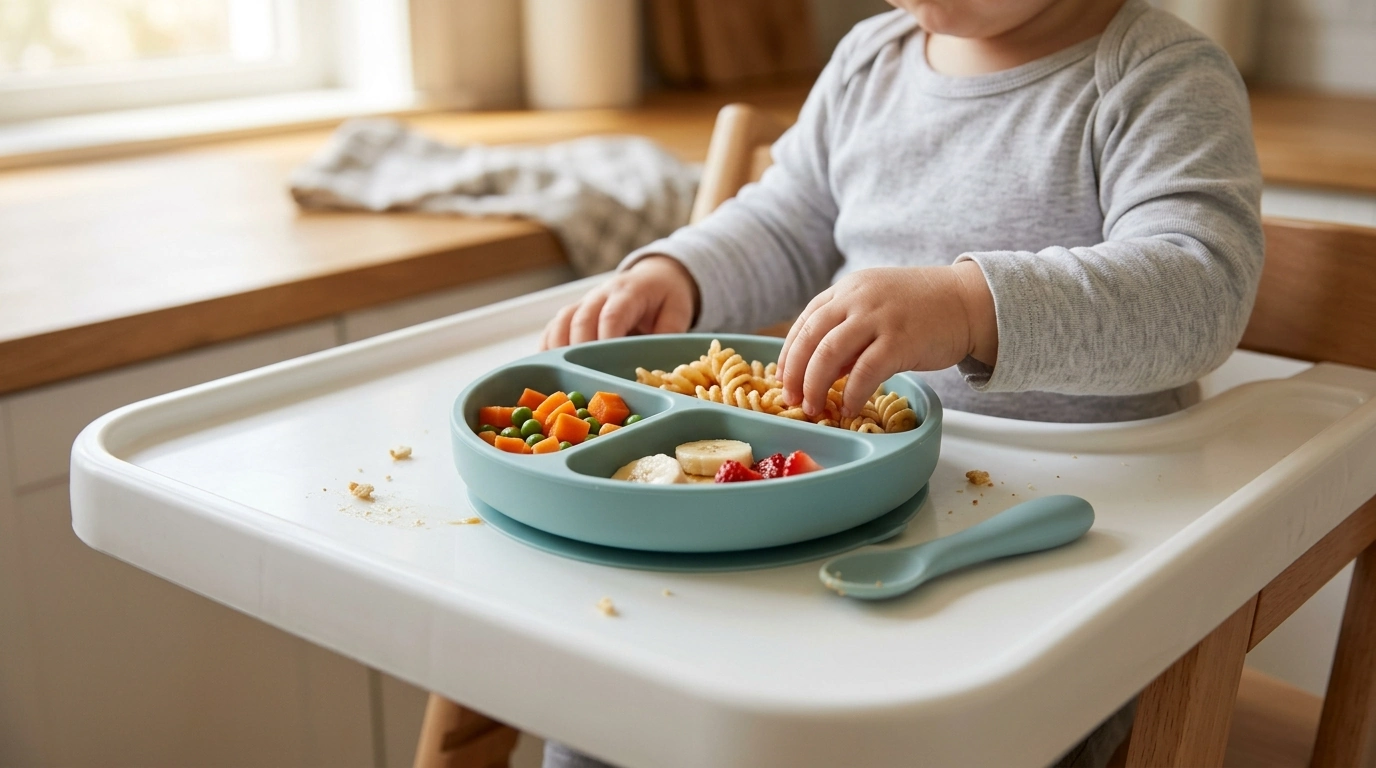
Silicone Divided Baby Plate with Suction: A BPA-Free, Easy-Clean Mealtime Helper
Mealtimes with toddlers can be messy, fast-moving, and full of surprise plate flips. A silicone divided baby plate with a strong suction base helps keep food in place, supports portioning, and makes cleanup simpler—without relying on hard plastics that can crack or slide around. When little hands are learning independence, the right plate can make the whole routine feel calmer and more consistent.
Why a suction divided plate helps during self-feeding
Toddlers learn by touching, swiping, and testing boundaries—sometimes all at once. A suction plate is designed to reduce the chaos without taking away the learning experience.
- Helps reduce tipping and tossing: A suction base anchors the plate to smooth, flat surfaces, making it harder to lift and fling during those “all done” moments.
- Divided sections keep foods separate: Compartments help prevent textures from mixing, which can encourage variety—especially during picky phases.
- Supports baby-led weaning and utensil practice: Food stays more accessible within each section, so toddlers can pinch, spear, or scoop without chasing pieces around the tray.
- Makes portions simpler: The layout naturally supports consistent serving sizes for snacks, meals, and tasting plates.
What to look for in a BPA-free silicone toddler plate
Not all suction plates perform the same. A few design details make a noticeable difference in day-to-day use, especially once your child starts pushing against the plate with real force.
- Food-grade silicone labeled BPA-free: Choose a product designed for food contact. For background on BPA in food-contact applications, see the U.S. Food & Drug Administration (FDA) BPA information.
- Wide suction base: More surface area generally improves grip on common eating surfaces like highchair trays, sealed wood, glass, and laminate.
- Raised outer rim: A defined rim helps toddlers scoop with spoons instead of pushing food off the edge.
- Smooth interior corners: Rounded corners rinse faster and trap less residue than sharp angles.
- Heat tolerance and cleaning compatibility: Silicone often handles warm foods well, but always follow the maker’s cleaning guidance (hand wash vs. dishwasher if allowed by the seller).
- Right size for the eating area: If the plate overhangs a tray, suction can weaken because the base can’t seal evenly.
Quick checklist: plate features and practical benefits
| Feature | Why it matters | Best for |
|---|---|---|
| Suction base | Helps keep the plate in place on flat surfaces | Toddlers who push, pull, or lift plates |
| Divided compartments | Separates foods and supports simple portioning | Picky phases, introducing new foods |
| Raised rim | Makes scooping easier with spoons and forks | Early utensil practice |
| Soft silicone build | Less likely to crack or chip; gentler than rigid plates | Daily use at home or travel |
| Easy-clean design | Fewer crevices reduces scrubbing time | Busy weekday meals |
How to get the strongest suction (and prevent plate flips)
Even a strong suction base needs the right setup. Small details—like moisture or crumbs—can be the difference between “stays put” and “slides everywhere.”
- Clean and dry the surface first: Oils, soap film, and crumbs break the seal. Wipe the tray, then dry it completely.
- Press firmly across the suction base: Apply pressure around the edges to push out air and create an even seal.
- Use smooth, non-porous surfaces: Highly textured plastic trays can reduce suction performance.
- Avoid placemats unless designed to pair: Adding a mat can introduce texture or movement that weakens grip.
- If suction seems weak, reset it: Wash the plate with mild soap to remove residue, rinse well, dry, and try again.
Care and cleaning: keeping silicone fresh
Silicone is generally easy to clean, but strongly colored foods and lingering odors can happen—especially with frequent use.
Safety notes for toddler feeding products
- Supervise meals: A suction base helps with spills, not choking prevention or safe chewing habits.
- Inspect for wear: Replace the plate if it tears, deforms, or no longer sits flat.
- Test food temperature: Keep hot foods at safe temperatures and check warmth before serving.
- Serve safe shapes and sizes: Especially with round or firm foods, follow reputable guidance like the American Academy of Pediatrics choking prevention tips.
Product spotlight: Silicone Divided Baby Plate with Suction
Silicone Divided Baby Plate with Suction | BPA-Free Easy Clean Toddler Bowl is a BPA-free silicone option built for toddler mealtime routines, snack prep, and travel.
At-a-glance details
| Item | Details |
|---|---|
| Product | Silicone Divided Baby Plate with Suction | BPA-Free Easy Clean Toddler Bowl |
| Price | 11.51 USD |
| Availability | In stock |
| Link | View product |
More mealtime picks for home routines
- Silicone Divided Baby Plate with Suction | BPA-Free Easy Clean Toddler Bowl for daily toddler meals and snacks
- 24-Piece Handpainted Blue Spiral Dinnerware Set for family place settings that can help keep mealtime consistent for everyone at the table
FAQ
Why won’t the suction stick to the highchair tray?
Suction works best on clean, smooth, non-textured surfaces. Wipe and fully dry the tray, press firmly around the base, and avoid placemats; some textured trays may not allow a strong seal no matter what.
How can silicone plates be cleaned if they start to smell?
Wash with mild soap, then soak the plate in warm water with baking soda for a short time, rinse thoroughly, and let it air-dry completely. Avoid storing it while damp, since trapped moisture can cause lingering odors.
Are BPA-free silicone plates safe for toddlers?
Food-grade, BPA-free silicone plates are commonly used for toddler feeding. Follow the maker’s care instructions, inspect regularly for damage, and always supervise meals to support safe eating habits.
Recommended for you


Was this article helpful?
Yes
No






Leave a comment