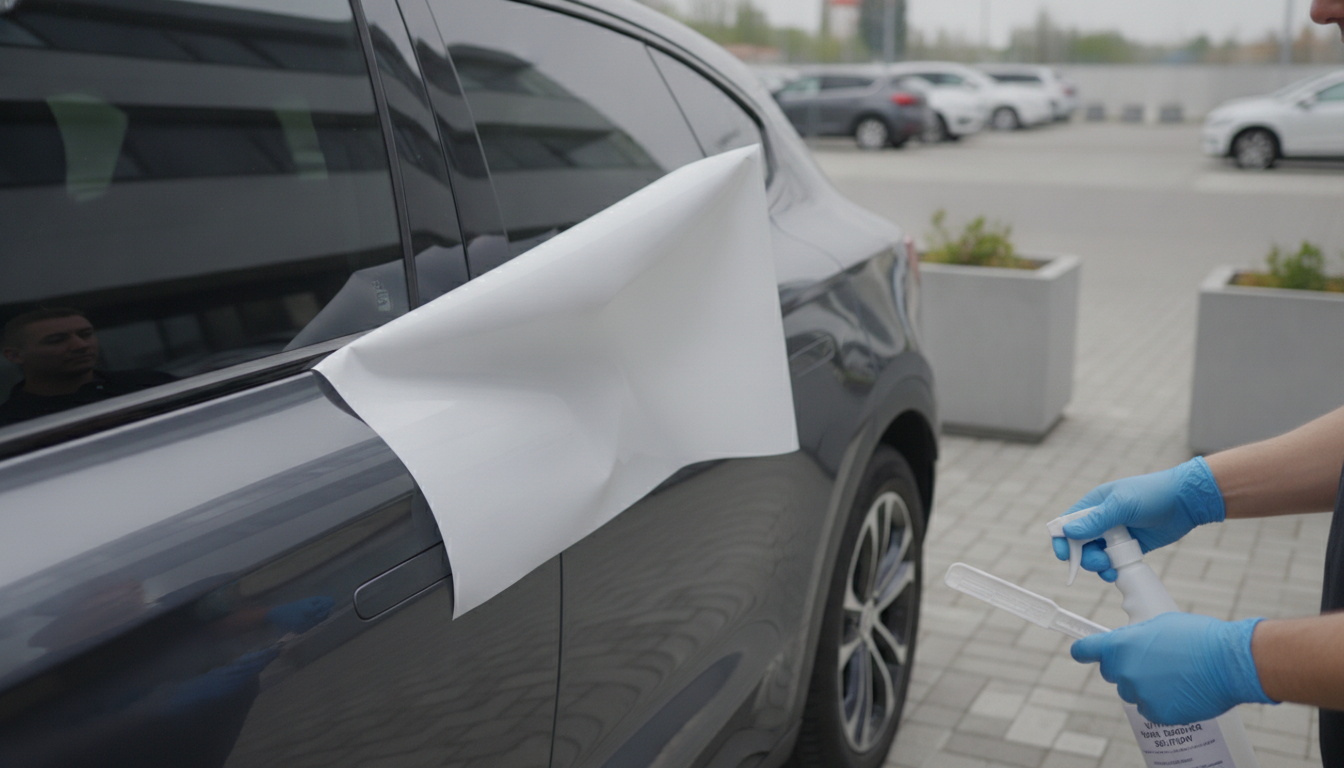
Self-adhesive vinyl can come off fairly easily when it’s applied to the right surface and removed the right way, but it isn’t designed to “fall off” on its own. Most quality peel-and-stick vinyl products are made to stay put under normal use, then release with heat and patient peeling when you’re ready to change things up. How easy removal feels depends on the adhesive strength, how long it’s been installed, and what you stuck it to.
Vinyl typically releases more cleanly from smooth, sealed surfaces like painted drywall (fully cured paint), finished wood, sealed tile, glass, and metal. It’s more likely to grip aggressively (or tear paint) on porous, dusty, textured, or unprimed surfaces.
The longer self-adhesive vinyl sits, the more the adhesive can “set.” Heat, steam, and sunlight can also change the bond—sometimes making it softer and easier to peel, other times increasing residue if the adhesive gets overly warm repeatedly.
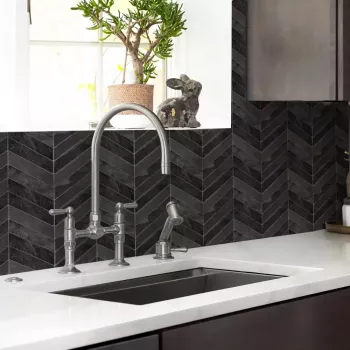
Some vinyl uses removable adhesive meant for short-term decor, while thicker peel-and-stick wall panels and backsplash tiles often use stronger glue for durability in kitchens and bathrooms. For a deeper look at how peel-and-stick tiles hold up and how to handle them, see this guide to 3D peel-and-stick backsplash tiles.
Warm a corner with a hair dryer on low/medium for 20–40 seconds. Heat helps the adhesive soften so the vinyl peels in larger pieces.
Pull back on itself (close to the surface) instead of outward. This reduces stress on paint and lowers the chance of leftover glue.
If any adhesive remains, start with warm soapy water. If needed, step up to a small amount of rubbing alcohol on a soft cloth and test in an inconspicuous spot first.
It can if the paint isn’t fully cured, if the wall is porous or textured, or if you remove it too fast. Using heat and peeling slowly at a low angle greatly reduces the risk.


Leave a comment