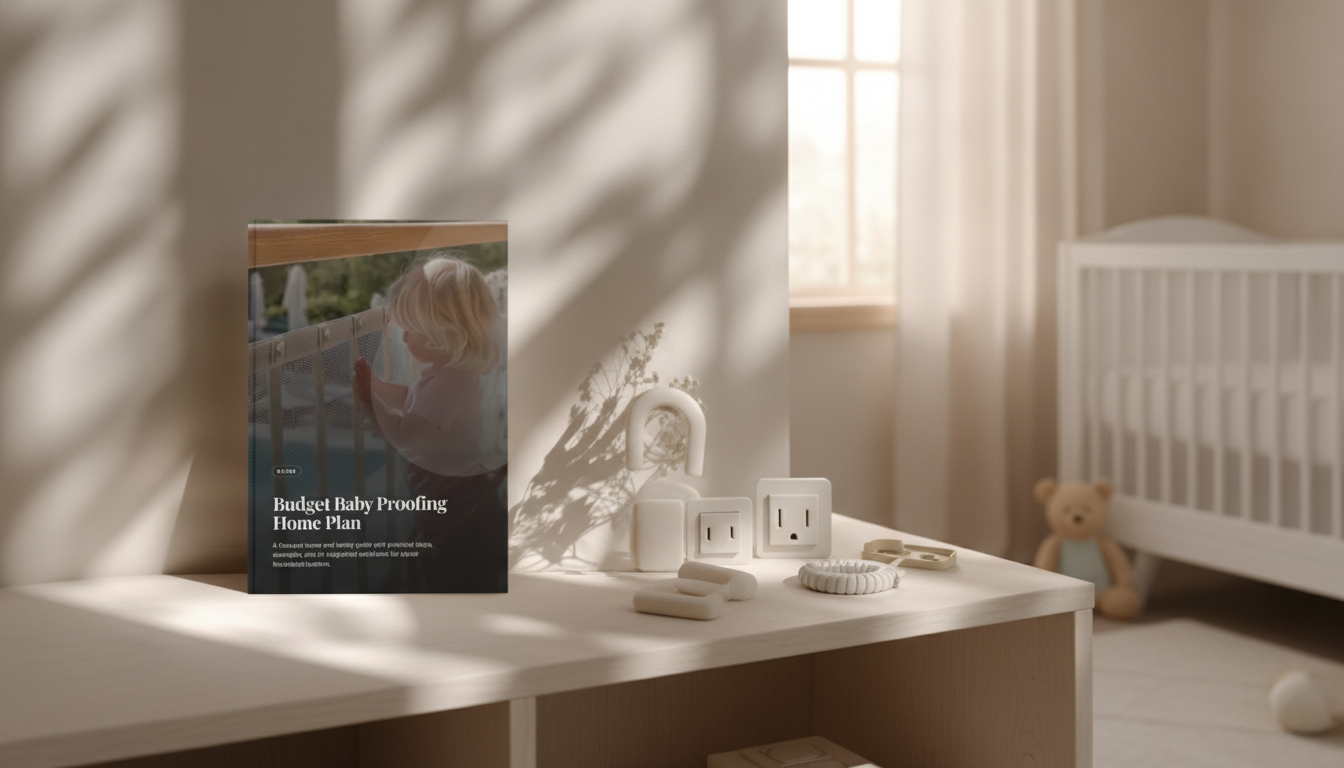
A safer home does not require a full remodel or a cart full of expensive gadgets. A practical plan focuses on the most common hazards first—falls, choking, poisoning, burns, strangulation, and drowning—then tackles each room with simple fixes, smart placement, and a short maintenance routine as baby grows.
Before buying anything, do a quick crawl-level scan. Get on hands and knees and move through each room to spot what a crawler sees: cords, coins, pet bowls, dangling strings, low cabinets, and unstable furniture. As you find issues, prioritize by severity—poisoning and falls first, then burns and strangulation risks, then pinch points and mess-related risks.
To keep spending controlled, make three lists: a small “today” list (3–5 fixes you can complete immediately), a “this week” list (one room to finish), and a “later” list (nice-to-have upgrades). Finally, choose one storage bin for baby-proofing items so supplies stay together and replacements are easy to find.
| Room | High-impact low-cost actions | Next-step upgrades (optional) |
|---|---|---|
| Living room | Anchor tip-prone furniture; block access to cords; move small objects above reach; cover sharp corners where baby plays | Add a configurable baby gate for open layouts; add a hearth guard if there is a fireplace |
| Kitchen | Move cleaners/chemicals up high; add a latching system to one “danger” cabinet; keep knives and hot items back from edges | Add stove knob covers and an oven lock; add a fridge strap if tipping risk exists |
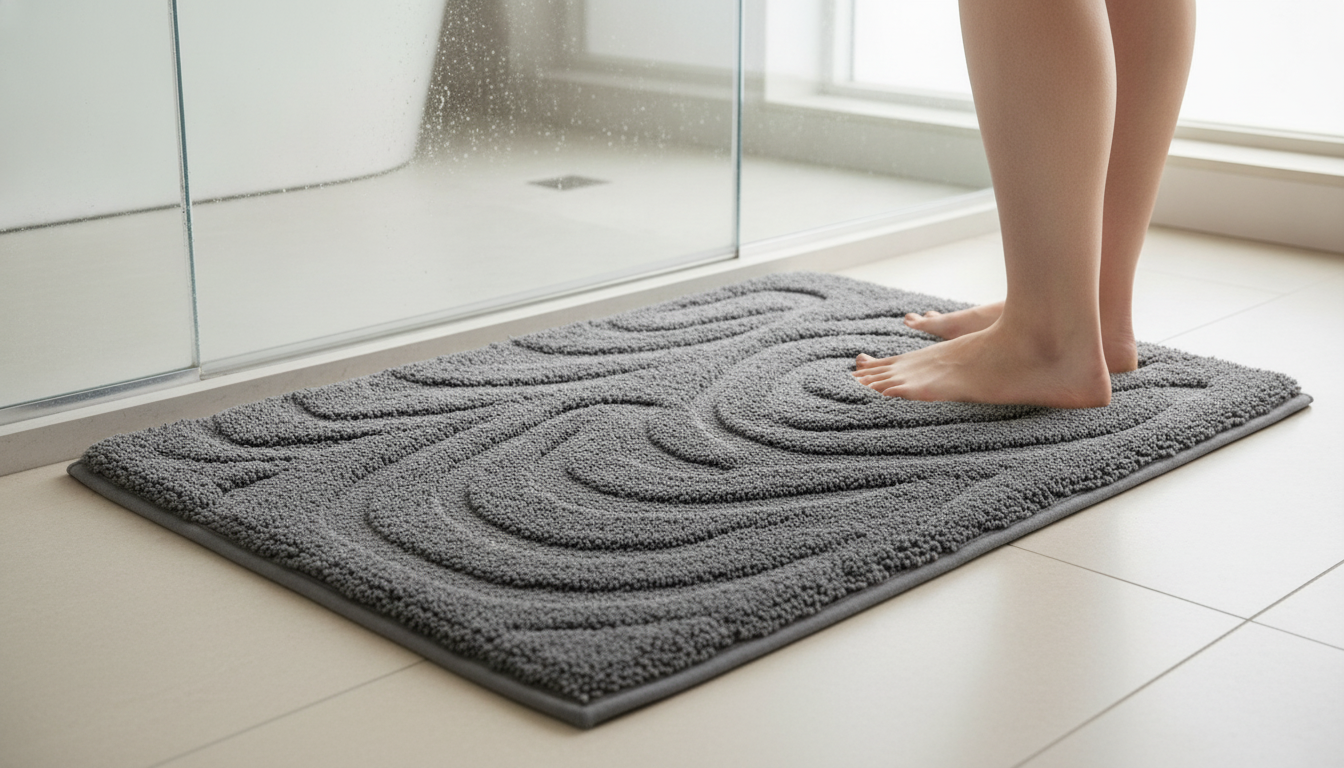
| Bathroom | Lock up medications and cosmetics; keep toilet lid closed; set water heater to a safer temperature if possible | Add a toilet lock and non-slip bath mat; add a spout cover if tub is used daily |
| Bedroom/nursery | Keep cords/blinds out of reach; use a firm crib mattress; keep pillows/blankets out of sleep area | Add a door knob cover as toddler stage arrives; add a dresser anchor kit if not already anchored |
| Stairs/hallways | Install a top-of-stairs gate (hardware-mounted); remove trip hazards; ensure lighting works | Add a second gate for bottom of stairs; add extra handrail grip tape if needed |
| Laundry/utility | Store pods/chemicals in a locked or high cabinet; keep buckets empty; close appliances | Add an appliance strap/lock if doors are accessible and frequently open |
Focus on a short list of protections that reduce the biggest risks across multiple rooms.
Living rooms often combine climbable furniture, cords, and tiny objects that drop between cushions.
The kitchen is where budget baby proofing can be most effective, because the top risks (poisoning and burns) are reduced mainly through placement and one locked zone.
For a ready-to-follow checklist and pacing guide, see the Budget Baby Proofing Home Plan and match tasks to your home layout and timeline.
Prioritize poisoning and falls: lock up medications and cleaners, anchor furniture and TVs, install a proper stair gate, and reduce choking hazards on floors and low shelves.
No. Lock only cabinets that contain hazards (cleaners, sharp tools, alcohol, medications), and use higher storage for the rest to keep costs and daily frustration down.
Start before mobility. Complete high-risk areas (stairs, kitchen chemicals, anchored furniture) before baby can roll, sit, or crawl, since development can speed up quickly.




Leave a comment