-
Shop
- Adidas
- AI Career Advantage Collection
- AI Skills for Creators & Freelancers
- AI Client Management
- AI Ethics
- AI Mindset
- AI Tools & Prompts
- AI Writing & Content Creation
- Audio, Voice & Music
- Design & Visual Creation
- Email, Messaging & Communication
- Freelancing & Business
- Marketing, Ads & Conversion
- Productivity, Workflow & Automation
- SEO & Search Optimization
- Social Media Content & Growth
- Strategy, Planning & Analytics
- Video Creation & Editing
- AI Skills Mastery 2026 Collection
- Apple Accessories
- Best-Sellers
- Business & Digital Skills
- Car Accessories
- Confidence
- Dating & Social Skills
- Digital Resources
- AI & Technology
- Beauty
- Budgeting & Saving
- Car Buying & Ownership
- Entrepreneurship & Business Growth
- Financial Education
- Financial Independence
- Financial Mindset & Psychology
- Goal Setting
- Hobbies
- Home Styling & Organization
- Kitchen & Recipes
- Leadership
- Mindfulness
- Online Business
- Parenting & Child Development
- Personal Style & Fashion
- Pet Lifestyle & Wellness
- Positive Thinking
- Sleep Improvement
- Smart Life with AI
- Stress Management & Relaxation
- Wellness
- Yoga & Mind-Body Practices
- Education & Learning
- Family & Home
- Family & Parenting
- Fashion
- Fashion & Beauty
- Fashion Accessories
- Furniture
- Gadgets
- Health & Beauty
- Health & Wellness
- Home & Garden
- Home Supplies
- Jewelry
- Kids & Babies
- Nike
- Personal Growth
- Personal Growth & Wellness
- Pet Care
- Pet Supplies
- Pets
- Sport & Outdoors
- Super Deals
- Travel
- Travel & Adventure
- Wealth
- Wealth Building
Leather Pointed-Toe Mary Jane Heels: Fit & Care
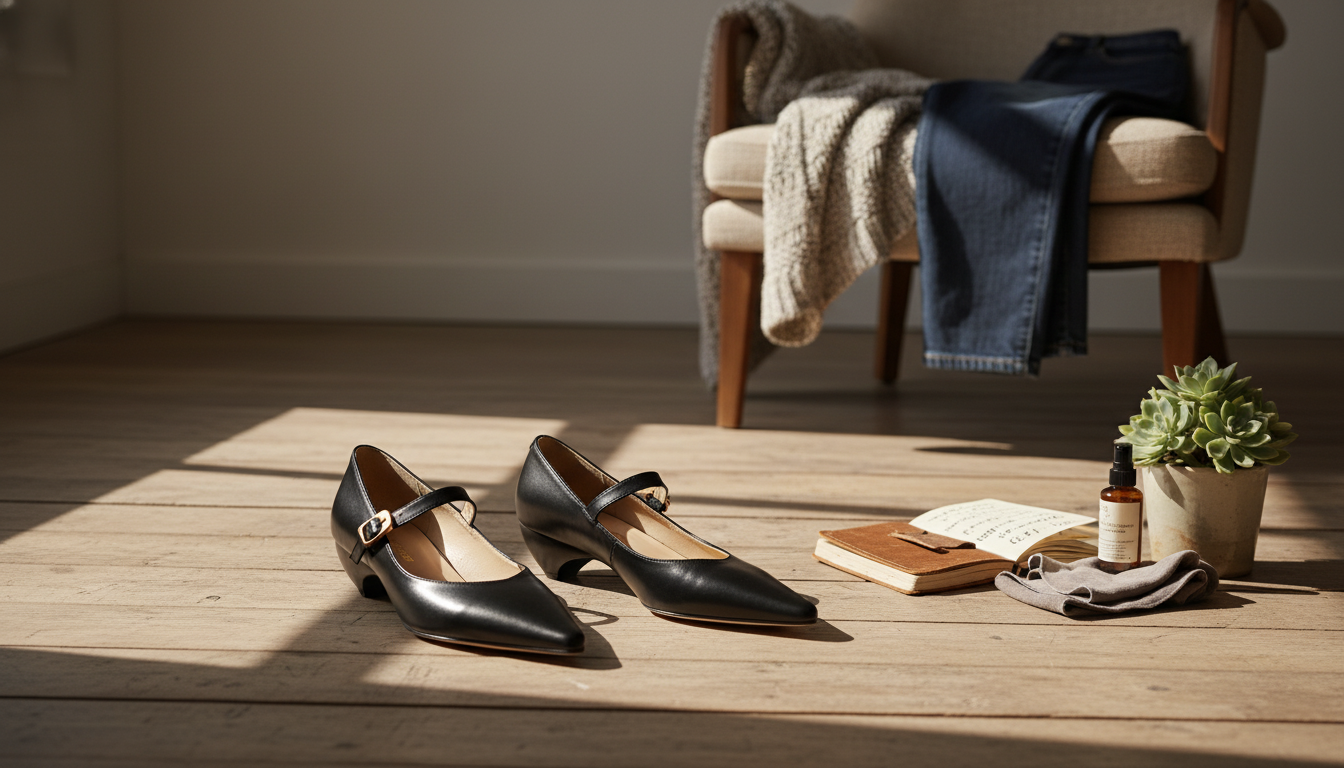
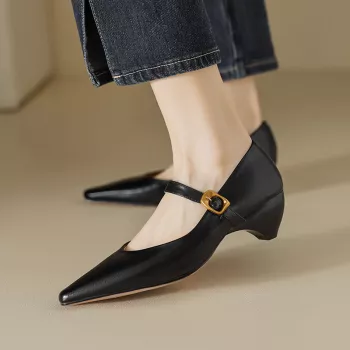
Pointed-toe Mary Jane pumps blend a classic, feminine shape with the added security of a strap—ideal when you want a dressy heel that still feels composed and walkable. If you’re considering genuine leather pointed-toe Mary Jane high heel pumps in sizes 4–9, the details matter: leather quality, toe shape, strap placement, and heel stability all affect comfort and the way the shoe wears over time. Below is a practical guide to help you choose the right fit, style them for everything from office days to evening events, and keep leather looking polished season after season.
What Makes These Mary Jane Pumps Stand Out
- Classic Mary Jane strap: Adds stability and a refined, vintage-inspired finish that reads intentional rather than fussy.
- Pointed toe profile: Creates a sleek line that pairs well with formal outfits and modern office looks alike.
- Genuine leather upper: Often molds subtly to the foot with wear, which can improve comfort and reduce “new shoe stiffness.”
- High-heel silhouette: Elevates posture and complements tailored pieces, dresses, and eveningwear.
- Sizes 4–9: Covers a wide range of petite-to-standard sizing needs, helpful for building a dependable dress-shoe rotation.
Materials and Comfort: What Genuine Leather Changes
Genuine leather can feel different from synthetic uppers in a few important ways—especially in a pointed-toe style where fit is more precise.
- Breathability: Leather generally manages moisture better than many synthetics, which can improve comfort during longer wear. For broader foot-health guidance, resources like the American Podiatric Medical Association (APMA) are a helpful reference.
- Break-in: Expect a short break-in period. Leather can soften at key pressure points (often the sides of the forefoot and the edge of the strap), making the fit feel more personalized.
- Structure and shape: Quality leather tends to hold its shape, helping the pointed toe keep a crisp look instead of collapsing or wrinkling quickly.
- Lining and insole finish: Smooth interior finishing helps reduce rubbing at the toe box and around the strap area. Seams that land on sensitive spots can cause hot spots faster in a pointed toe.
- Heel/sole stability: A heel that feels centered under the heel bone and a sole with enough rigidity can reduce foot fatigue. For general foot health considerations, the NIAMS foot health overview is a useful primer.
How to Choose the Right Size (4–9) and Fit
Pointed-toe shoes can feel “smaller” even when the length is technically correct. The goal is a secure fit without compressing toes or forcing you to grip with your forefoot.
- Measure later in the day: Feet are usually slightly larger in the afternoon/evening. Measure both feet and size to the larger foot.
- Prioritize toe room: With a pointed toe, ensure the big toe isn’t pressed downward or angled inward. A sleek look shouldn’t come at the cost of numbness.
- Check the strap fit: The Mary Jane strap should keep the foot secure without digging in. If there’s adjustability, use it—your best setting often changes depending on hosiery.
- If between sizes: Consider how you’ll wear them (barefoot, hosiery, thin socks) and remember leather can relax slightly with wear. Avoid relying on “stretching out” if the toe area is truly tight.
- Watch for heel slip: Minimal movement is ideal. Excessive slip can cause blisters and makes walking feel unstable.
- For wider feet: If width options are limited, look for enough internal length so the widest part of your foot sits at the shoe’s widest point—this reduces side pressure.
Quick fit check for pointed-toe Mary Jane pumps
| Fit area | What it should feel like | Common fix |
|---|---|---|
| Toe box | Toes lie flat with no pinching at the sides or tip | Size up; use a thin insole if needed |
| Strap | Secure but not tight; no red marks after 5–10 minutes | Loosen strap; add a soft strap pad |
| Heel | Stable with minimal slipping | Add heel grips; confirm correct size |
| Ball of foot | Even pressure, no burning sensation | Gel forefoot pads; consider slightly lower heel height |
| Arch/instep | No sharp pressure on top of the foot | Adjust strap; choose a style with more instep room |
Heel Height and Walking Confidence
- Understand the weight shift: Higher heels move weight forward; a supportive insole and a stable heel shape can reduce fatigue and “burn” at the ball of the foot.
- Plan for long days: For commuting or extended events, bringing foldable flats can help—switch after photos or key moments to stay comfortable.
- Practice makes it smoother: Walk at home on different surfaces with shorter steps and a controlled heel-to-toe placement.
- Use the strap to your advantage: A snug (not tight) strap can reduce ankle wobble and help your foot feel anchored.
- Add traction if needed: Smooth soles can be slippery on polished floors. Temporary sole grips can increase confidence without changing the look.
Outfit Pairings: From Office to Evening
Care and Maintenance for Leather Pumps
How to Choose: Mary Jane Pumps vs. Classic Pumps
FAQ
Do pointed-toe Mary Jane pumps run smaller than round-toe heels?
They can feel smaller because the toe shape narrows space at the front, even when the length is correct. Measure both feet, check that your toes aren’t compressed, and if you’re between sizes, consider sizing up for more toe clearance.
How can high-heel Mary Jane pumps be made more comfortable for longer wear?
Try gel forefoot pads, heel grips to reduce rubbing, and soft strap padding if the strap presses. Break them in gradually at home and take short sitting breaks when possible to reduce fatigue.
How should genuine leather pumps be stored to keep their shape?
Use shoe trees or tissue stuffing to support the pointed toe and prevent deep creasing. Store them in a cool, dry place away from heat and sunlight, ideally in a breathable dust bag.
Recommended for you

Was this article helpful?
Yes
No








Leave a comment