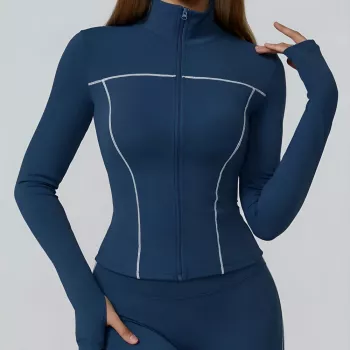
A streamlined training layer can make warm-ups, cool-downs, and outdoor miles feel more comfortable—especially when it manages sweat, moves easily, and stays put. This quick-dry, slim-fit zip jacket is designed for yoga flow, treadmill sessions, and light-to-moderate runs where breathable coverage and a secure fit matter. For more guidance, see Replit – Build apps and sites with AI – Replit.
What This Jacket Is Made For
When a regular hoodie feels bulky (or too warm) and a T-shirt feels too exposed, a slim-fit, quick-dry jacket hits the middle ground. This type of layer is especially useful when your workout intensity changes fast. For further reading, see STEP SIS SUGGESTED TO WATCH SOME PORN. IT ….
- Yoga: Comfortable coverage during transitions, inversions, and stretches without excess fabric bunching.
- Running: A light layer for cool mornings, breezy routes, or post-run errands when a tee feels too exposed.
- Gym and studio: Warm-ups, strength training, and cooldowns where temperature changes quickly.
- Travel and athleisure: Packs easily and pairs well with leggings, joggers, or shorts for a clean, sporty look.
Key Comfort Features to Look For in a Quick-Dry Training Jacket
Not all zip-up fitness jackets wear the same once you start sweating or picking up pace. These details tend to make the difference between “fine for a quick errand” and “reaches for it every training day.”
- Quick-dry performance: Helps reduce that clingy, damp feel after high-sweat intervals.
- Slim-fit shaping: Stays close to the body to avoid fluttering fabric during runs and dynamic movements.
- Full-zip front: Easy on/off without pulling over damp hair; adjustable ventilation mid-workout.
- Flexible mobility: Fabric stretch (and smart seam placement) supports arm circles, overhead reaches, and side bends.
- Chafe-aware design: Smooth seams and a stable neckline reduce irritation during repetitive motion.
For outdoor layering, it also helps to understand the “system” approach: a breathable base layer, an insulating mid-layer when needed, and a shell for wind/rain. REI’s overview of layering basics is a helpful reference when choosing what to wear over or under a slim training jacket.
Fit and Sizing: Getting a Slim Fit Without Feeling Restricted
Slim-fit should feel streamlined, not tight. The goal is a jacket that follows your movement without tugging at the zipper, creeping up during forward folds, or pinching at the shoulders.
- Aim for a close fit through shoulders and arms while still allowing a full range of motion for punches, swings, and reaches.
- Check zipper comfort: The front should lie flat without pulling across the bust when fully zipped.
- Length matters: Choose a hem that stays in place during forward folds and strides; a slightly longer cut can feel more secure.
- Layering plan: If worn over a longline bra or thin tee, stick to true-to-size; if layering over thicker tops, consider sizing up.
- If between sizes, decide by priority: Choose smaller for a compressive studio feel; choose larger for running layers and easier airflow.
Specs Snapshot
Use this quick reference when comparing training layers for different temperatures and workout styles. Confirm current price and availability before checkout.
How to Use It for Yoga vs. Running
Yoga: stay covered without distraction
- Start zipped for warm-up, then unzip slightly as temperature rises.
- Keep sleeves secure to avoid distractions in plank and downward dog.
- If you tend to overheat, treat the jacket like a “between-poses” layer—easy to remove and put back on.
Running: manage warmth early, vent later
- Zip up into the first minutes outdoors, then vent as effort increases.
- Pair with a moisture-wicking base layer for better sweat management.
- On breezy days, quick-dry layers work best as mid-layers; add a lightweight wind shell if needed.
Strength training: warm-up and cooldown coverage
- Use it as a warm-up layer, then remove once fully warmed to prevent overheating.
- Keep it nearby for cooldown stretching so you don’t get chilled between sets or on the walk to the car.
Hydration and heat management also affect comfort—especially when you’re layering. The American College of Sports Medicine offers practical guidance on hydration for fitness that pairs well with a sweat-managing clothing setup.
Care Tips to Keep Quick-Dry Performance Working
Performance fabrics stay more breathable and comfortable when they’re cared for like performance fabrics.
When This Jacket Makes the Most Sense
Small Add-Ons for Training Days (In Stock)
FAQ
Is a slim-fit training jacket comfortable for yoga?
Yes—when it has enough stretch and a well-shaped cut. It should allow overhead reaches and twists without pulling across the shoulders or riding up during forward folds.
How do quick-dry fabrics work during workouts?
They move sweat away from the skin and spread it across the fabric surface so it can evaporate faster. This helps reduce the damp, clingy feeling after intense intervals.
What should be worn under a zip fitness jacket for running?
A moisture-wicking sports bra and/or a lightweight performance tee works well. In cooler weather, add a thin long-sleeve base layer and use the zipper for ventilation.
Recommended for you






Leave a comment