USB Gaming Mic for PC/PS5/PS4: RGB, Mute & Gain
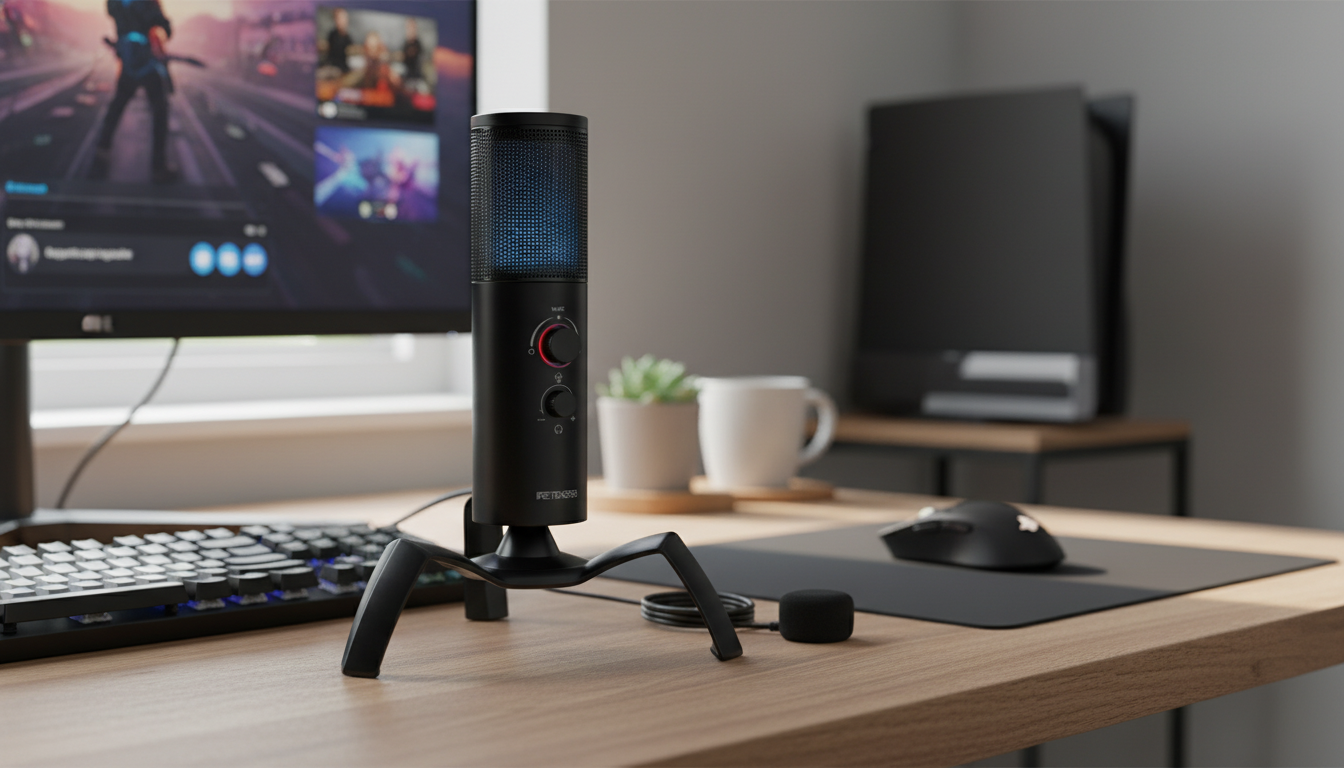
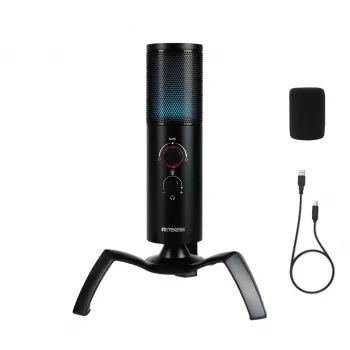
USB Gaming Microphone with RGB, Mute Button & Gain Control for PC/PS5/PS4
Clear voice chat and cleaner streams depend on fast control and stable USB performance. A USB gaming microphone that combines plug-and-play connectivity with an RGB-lit look, a one-tap mute button, and on-mic gain control makes it easier to sound consistent during matches, party chat, or casual recording on PC, PS5, and PS4. Instead of pausing to dig through menus mid-round, you can handle the two most common fixes—privacy and level—right on the microphone.
What Makes It a Gaming-Friendly USB Microphone
A gaming-friendly mic is less about studio complexity and more about speed, stability, and predictable results. USB is a big part of that: you plug it into your PC or a compatible console USB port and you’re ready to select it as an input device—no audio interface required.
- USB connection keeps setup simple: Ideal for desks where you don’t want extra boxes, drivers, or adapters.
- Physical mute button: Instant control for tense callouts, cough-mutes, or surprise background noise.
- On-mic gain control: Quick level balancing when you change distance, get excited, or swap from party chat to streaming.
- RGB lighting: Adds a stream-ready aesthetic and may act as a fast visual status cue (depending on indicator behavior).
- Designed for typical gaming uses: Discord/voice apps, party chat, casual streaming, and everyday voice capture.
If you’re shopping for a straightforward option with these core controls, the USB Gaming Microphone with RGB, Mute Button & Gain Control for PC/PS5/PS4 is built around exactly that workflow: quick access, minimal friction, and a clean desk presence.
Controls That Matter During Live Play: Mute & Gain
Live play is unpredictable. The fastest way to keep comms clean is to treat mute and gain as “in-the-moment” tools rather than set-it-and-forget-it settings.
- Mute button: Use it for quick cough-mutes, off-camera conversations, or privacy moments without altering software settings.
- Gain control: Reduce clipping when you get louder, or boost voice presence if teammates report low volume.
- Practical workflow: Set a comfortable baseline, then make small adjustments when room noise changes or you shift posture.
- Fast troubleshooting: If voice sounds harsh or distorted, lower gain first. If voice is too quiet, raise gain slightly and move closer before maxing it out.
Common Symptoms and Fast Fixes
| What you hear | Likely cause | Quick adjustment |
|---|---|---|
| Distortion or crackling on loud words | Input level too high | Lower mic gain; increase distance slightly |
| Voice is quiet in party chat | Gain too low or too far from mic | Raise gain a bit; move closer (6–10 in / 15–25 cm) |
| Background noise is obvious | Room noise + high gain | Lower gain; reposition mic away from keyboard/fans |
| Teammates hear echo | Monitoring/speaker bleed | Use headphones; lower speaker volume |
PC Setup (Windows) and App Tuning
On Windows, good results come from two places: selecting the right device and keeping your levels consistent. First, set the microphone as the default input in your system sound settings, then confirm that turning the mic’s gain knob actually changes the input level you see in Windows.
For Windows troubleshooting steps when the system doesn’t “see” your mic or levels won’t respond, Microsoft’s guide is a solid reference: Fix microphone and audio problems in Windows. For streaming filters and what each one does, OBS provides a practical overview: OBS Studio Audio Filters Guide.
PS5/PS4 Use: What to Check for Smooth Party Chat
For where these options live in the console menus, PlayStation’s support resources can help you locate the relevant settings quickly: PlayStation Support: Audio settings on PS5 consoles.
Placement Tips for Cleaner Voice and Less Keyboard Noise
At-a-Glance Specs and Buying Fit
Quick Fit Check
| Need | Why it helps | What to look for during setup |
|---|---|---|
| Instant privacy | Mute button stops transmission immediately | Confirm mute behavior in the app/console meter |
| Fast loudness control | Gain knob avoids menu diving | Set baseline gain; leave headroom to prevent clipping |
| Simple connection | USB plug-and-play for most setups | Select it as the active input device |
| Stream-friendly look | RGB complements gaming setups | Keep lighting visible but not glarey |
More In-Stock Picks (Popular with Shoppers)
- USB Gaming Microphone with RGB, Mute Button & Gain Control for PC/PS5/PS4 (a practical choice for fast mute and quick gain changes).
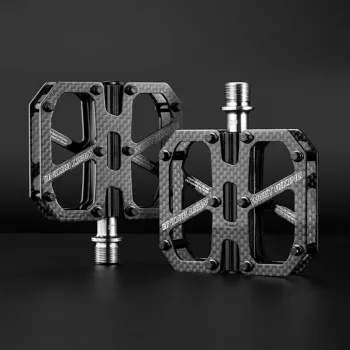
- Ultralight Carbon Fiber Bike Pedals with Titanium Axle (a lightweight upgrade for riders focused on efficiency).
- Power Tower Dip Station Pull Up Bar Stand (a home setup staple for dips, pull-ups, and bodyweight training).
FAQ
Does a USB microphone work on PS5 and PS4 for party chat?
Many USB microphones can work for party chat when connected to a console USB port, but compatibility can vary by model and settings. After plugging it in, select the USB microphone as the input device in the console audio settings and use headphones to prevent echo.
How should mute and gain be used during games and streaming?
Set a baseline gain so normal speech stays clear and below clipping, then make small gain tweaks as your distance or loudness changes. Use the mute button for coughs, interruptions, or privacy without changing software settings.
Why do teammates hear keyboard clicks or background noise, and how can it be reduced?
Clicks and noise usually come from mic placement and gain being too high for the room. Move the mic closer to your mouth, lower gain, angle it away from the keyboard/fans, consider light noise suppression in your app, and use headphones to avoid speaker bleed.









Leave a comment