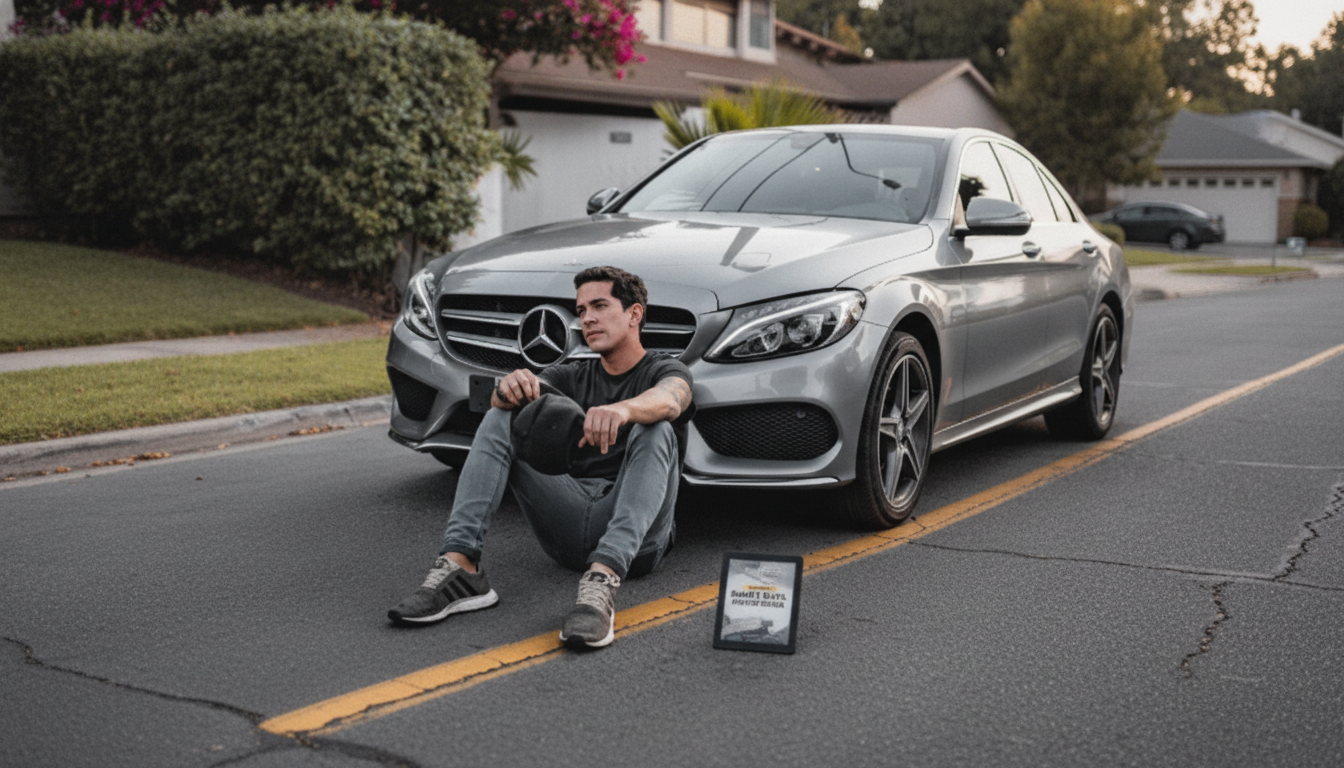
Used cars can be an excellent value, but small oversights—skipped paperwork, hidden accident history, rushed test drives, or unclear pricing—can turn a “deal” into a long-term expense. The smartest approach in 2026 is to slow the process down into repeatable steps: define your target, screen listings fast, verify history, drive with purpose, pay for an independent inspection, and treat signing-day paperwork like a final quality check.
A good used-car purchase starts before you ever message a seller. Set a realistic monthly ceiling that includes payment (if any), insurance, fuel, routine maintenance, registration, and taxes. A lower sticker price doesn’t help if insurance jumps or the model is known for expensive repairs.
Next, separate “must-haves” from “nice-to-haves.” Must-haves might include AWD for winter commuting, advanced safety tech, or a minimum cargo volume. Nice-to-haves are where many buyers get pushed into a higher trim, an overpriced add-on package, or a model they never intended to own.
Build a shortlist of 3–5 models and learn their typical weak spots before shopping. Every vehicle has patterns—transmission quirks, oil consumption, infotainment failures, or suspension wear—and knowing those patterns helps you ask better questions and interpret inspection notes.
Finally, plan for a pre-purchase inspection (PPI) and keep a reserve for immediate maintenance like tires, fluids, wiper blades, and brakes. Even well-maintained cars often need something right away.
Efficient screening prevents wasted trips and helps you focus on sellers who are organized, honest, and realistic. Be cautious with prices far below market, vague descriptions, or listings that dodge the VIN, mileage, or title status. Prefer sellers who can explain maintenance history with receipts and provide clear photos of the exterior panels, tires, and interior.
| Check | What to ask/look for | Why it matters |
|---|---|---|
| VIN provided | Full VIN shown in listing | Enables history, recall, and theft checks |
| Title status | Clean title, no liens; name matches seller | Avoids ownership disputes and registration delays |
| Service records | Receipts, dates, mileage, major work documented | Indicates responsible ownership and future costs |
| Tire wear | Even tread, matching set, no sidewall damage | Uneven wear can signal alignment/suspension issues |
| Seller transparency | Allows test drive + independent inspection | Reduces risk of hidden mechanical problems |
Watch for salvage/rebuilt titles, inconsistent odometer statements, and “lost title” situations. These can create registration headaches and lower resale value. Ask up front about accident history, number of owners, liens, and whether the car can be taken for an independent inspection.
Once a listing passes your first filter, verify the vehicle’s identity and safety status. Run the VIN through the NHTSA recalls lookup and confirm critical recalls were completed. Unresolved recalls can affect safety and, in some cases, insurance decisions.
Next, check for theft or total-loss indicators through a reputable database such as NICB VINCheck. Then physically confirm the VIN matches across the dashboard, door jamb, and paperwork. Mismatches are a hard stop.
Also look for practical signs of flood or major collision repairs: a musty smell, corrosion in odd places, silt in crevices, overspray on trim, mismatched panel gaps, and foggy or poorly sealed headlights. Finally, confirm mileage consistency using service receipts and inspection records where available.
If you’re keeping paperwork, inspection notes, and screenshots on a laptop or tablet while you shop, a simple organizer can help prevent damage on the go. The Laptop Sleeve for MacBook Air/Pro 13–15.6 Inch is a low-cost way to keep your device protected between dealership visits and mechanic appointments.
Ask for an itemized out-the-door number that includes taxes, registration, documentation fees, add-ons, and warranties. This makes comparisons fair and prevents “surprise” fees from appearing after you’ve mentally committed. The FTC’s guidance on buying a used car is also a good refresher on common sales tactics and paperwork basics.
Understand what “as-is” means in your state and keep copies of everything you sign. Before handing over payment, confirm when your insurance coverage begins and make sure you receive all keys, manuals, and any security codes. If you’re using a phone heavily during shopping (photos, VIN scans, and messages), keeping ports clean can reduce charging issues during long days; the Silicone Charging Port Dust Cover for Apple iPhone is a simple accessory that helps protect against pocket lint and debris.
For a consolidated, mistake-focused reference, consider Smart Buys: Avoid Used Car Pitfalls in 2026 – Expert eBook Guide to Avoid Common Mistakes When Buying a Used Car. It’s designed to keep your screening questions, inspection priorities, negotiation guardrails, and signing-day checks in one place so fewer details slip through.
Yes. Newer vehicles can still have hidden collision repairs, flood damage, skipped maintenance, or stored trouble codes, and an independent inspection with a diagnostic scan can surface issues before you buy.
No VIN, an unusually low price, title issues (salvage/rebuilt), refusal to allow an independent inspection, vague maintenance answers, and inconsistent mileage or ownership details are among the most reliable warning signs.
It combines taxes, registration, documentation fees, add-ons, and warranties into one number so you can compare offers accurately and catch surprise charges before signing.







Leave a comment